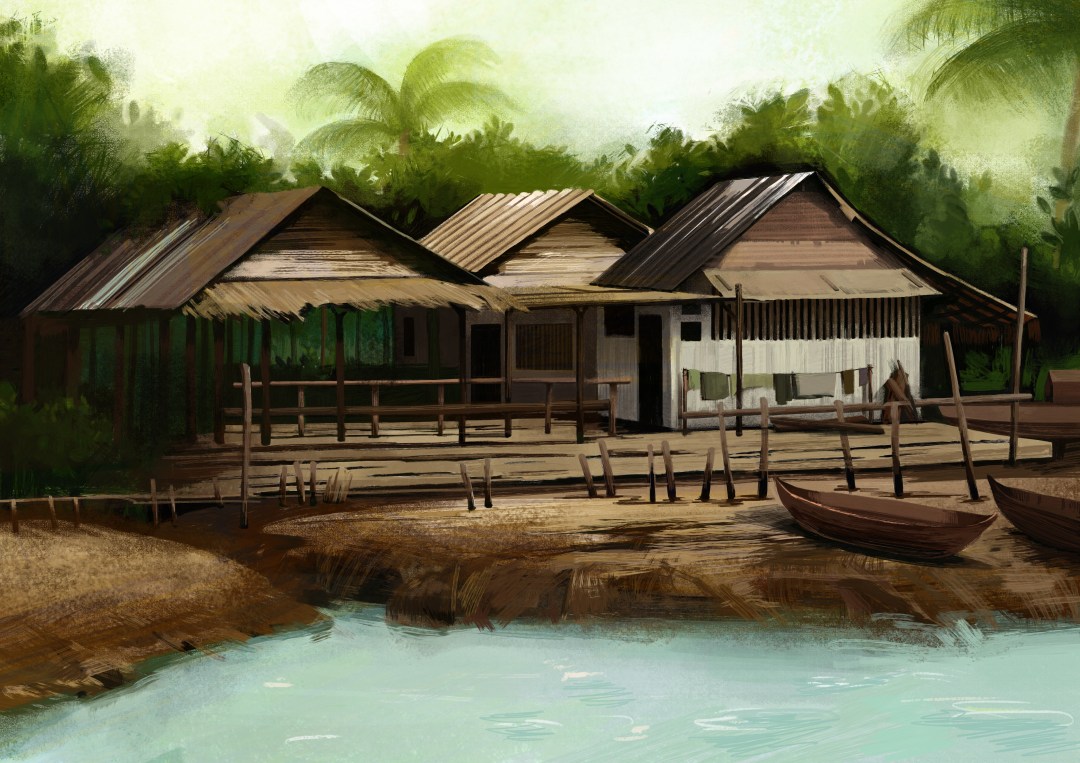
WHAT IS MY FATHER’S KAMPUNG: A HISTORY OF AUKANG AND PUNGGOL?
My Father’s Kampung: A History of Aukang and Punggol is a book that delves into the social and economic history of Aukang and Punggol as I journey to better understand and appreciate the kampung life that my father lived.
My father Simon Seah was born in 1946, at Lorong Low Koon in Aukang, in north-east Singapore. He also lived at Jalan Payoh Lai, Jalan Lye Kwee, and Lorong Buangkok for three decades, before he moved out of Aukang in 1975.
My father once told me about his cultural heritage: “I am Teochew and proud of it. Without my Teochew heritage, I would be culturally lost as I speak no Mandarin. Besides, almost all the neighbours at that time were Teochews.”
WHY DID I WRITE THIS BOOK ON MY FATHER’S KAMPUNG?
The north-east area of Singapore is intriguing and worthy of research, because Teochews are not the dominant Chinese dialect group in Singapore; Hokkiens are.
Similarly, Catholicism is not the dominant religion in Singapore; Buddhism and Taoism are the dominant religions.
Yet, Aukang used to be an area heavily influenced by Teochews, and had many Catholics.
For example, The Straits Times reported in 1986 that more than 90 percent of the villagers in Kangkar (a fishing village in historical Aukang) were Teochews, and the Teochew dialect was the lingua franca of the area. Even the handful of villagers who were not Teochews could also speak the dialect.
Take another example: academic Bryan Goh used a 1973 parish census and calculated that around 70 percent of the area’s residents had a distinct Catholic-Teochew communal identity.
For these reasons, My Father’s Kampung highlights the unique and distinct identity of the Catholic Teochews who lived there. For example, my father, his family, and his friends and neighbours attended Montfort School; worshipped at the Church of the Nativity; and spoke Teochew to each other.
While I focus mainly on the Teochew Catholics in my book, I have also included stories on Eurasians, Malays, Indians, Hokkien Babas, and other communities who made up the multi-ethnic composition of Aukang.
For example, there was a sizeable Eurasian community residing between Yio Chu Kang Road and the fifth milestone Upper Serangoon. One place where they interacted frequently with Teochews was the popular Simon Road Market, at the sixth milestone.
Incidentally, Simon Road was named after Simon Aroozoo (1849–1931), a Eurasian who had inherited the land from wealthy estate owner Gan Eng Seng (1844–1899).
My Father’s Kampung contains such local stories, and much more. The book is supported by the National Heritage Board, with Forewords by Baba Robert Yeo and the Montfort Alumni.
“Shawn Seah reminds me of people and places I know of, and second, of people and places I did not know of. That he is able to do so is a tribute to his passion and scholarship in documenting the social history of Hougang…
He has wisely chosen to see a large part of it through the eyes of his father and thus has performed a wonderful filial duty. Additionally, he has personalised his narrative so that it is not a dry, objective account but a highly-individualised one. The lively interviews with prominent Teochews of the area and the apt photos and illustrations all add up to a comprehensive and intriguing tale.“
Excerpt of Foreword from
Poet, playwright, and author, Robert Yeo
A valued partner, Montfort Alumni shares the aim of striving to pass on the rich heritage of Montfort, from generation to generation. Montfort School served as the historic education hub for the surrounding community, empowering poor villagers, especially those from poor families, with education, faith, and values.
“The Montfort Alumni is proud to support this book by Shawn Seah which documents the long and distinguished history of Montfort School.”
Excerpt of Foreword from Montfort Alumni
The book is rich in personal stories and oral histories of those who lived in the north-east part of Singapore from the 1940s to 1970s, and has accompanying illustrations and photos.
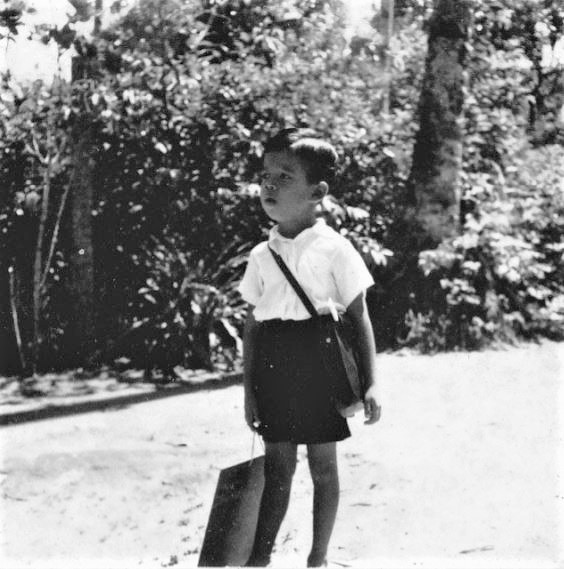
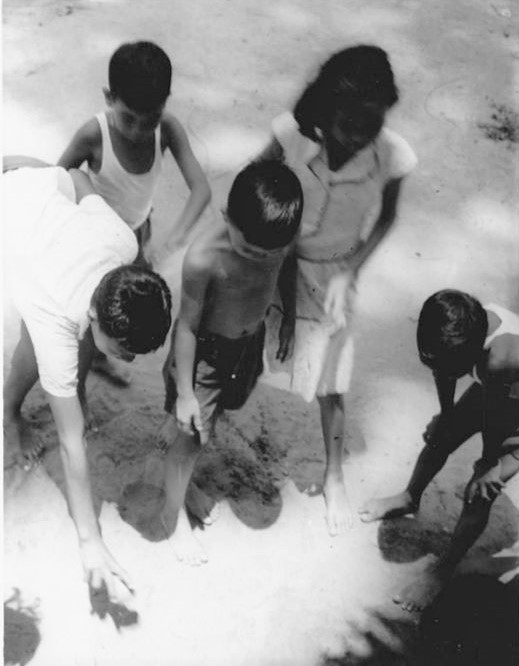
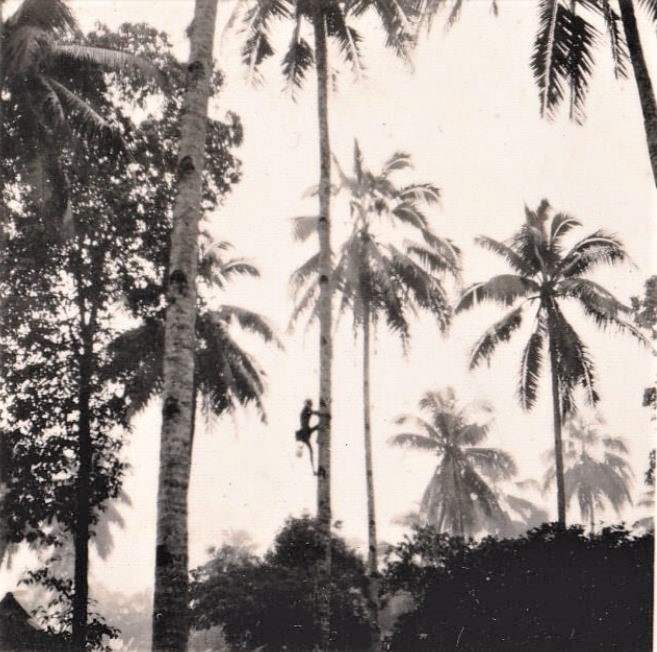
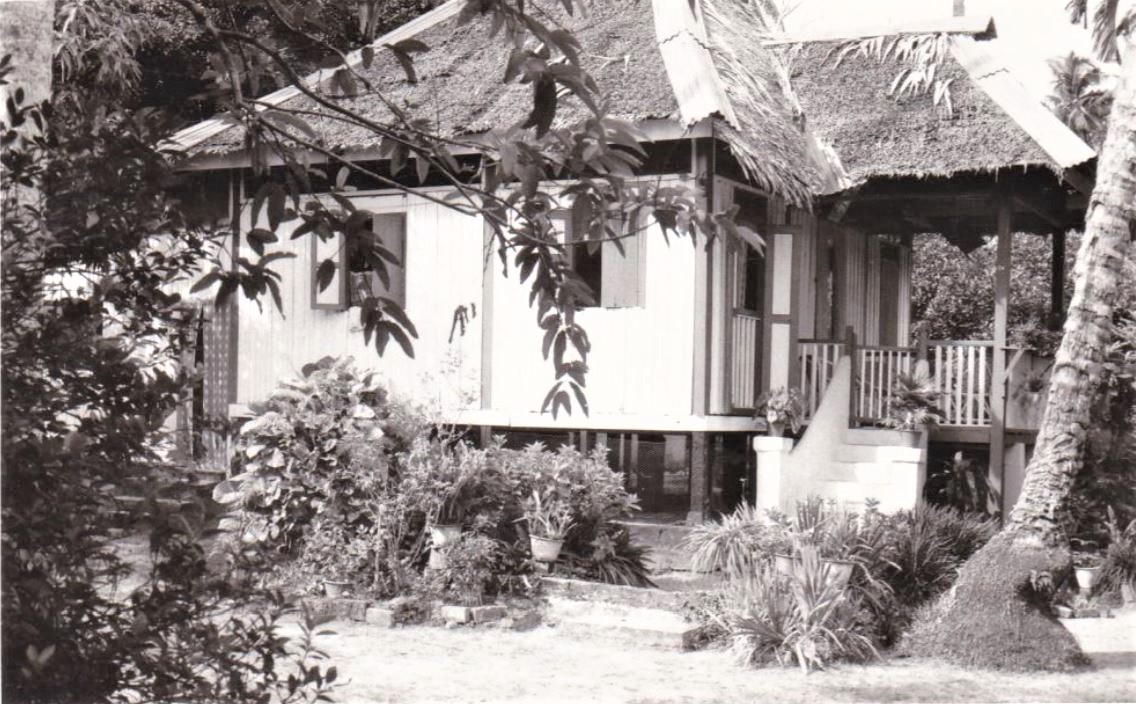
The book also helps make history relevant, by showing the links between past and present.
“Finally, he has cleverly linked the old Aukang, which comprised the fifth and sixth mile precincts, and Kangkar and Punggol, to the new, enormous developments that is now Sengkang and other districts. In this way, he has provided continuous engagement between the OLD that his father knew with the transformed, beyond recognition—NEW.“
Robert Yeo
Poet, playwright, and author
“Colourful, cultural, and creative: Shawn Seah’s book is an excellent read. It is not easy to make history accessible but this dynamic young man has managed to bring local history alive.“
Jeremy Seah,
Executive Committee Member,
Singapore Seah Clan Association
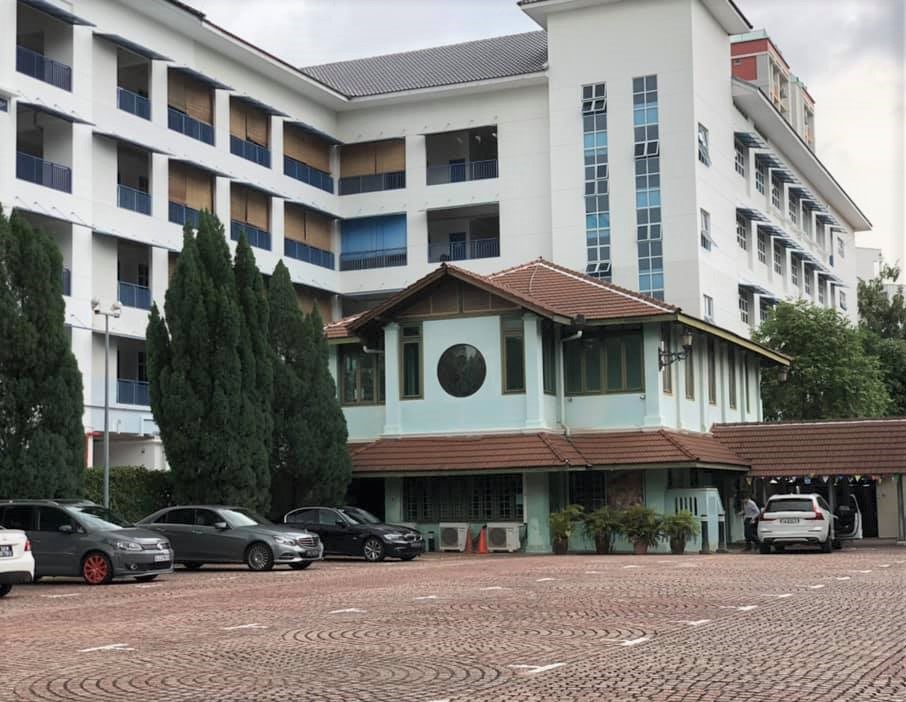
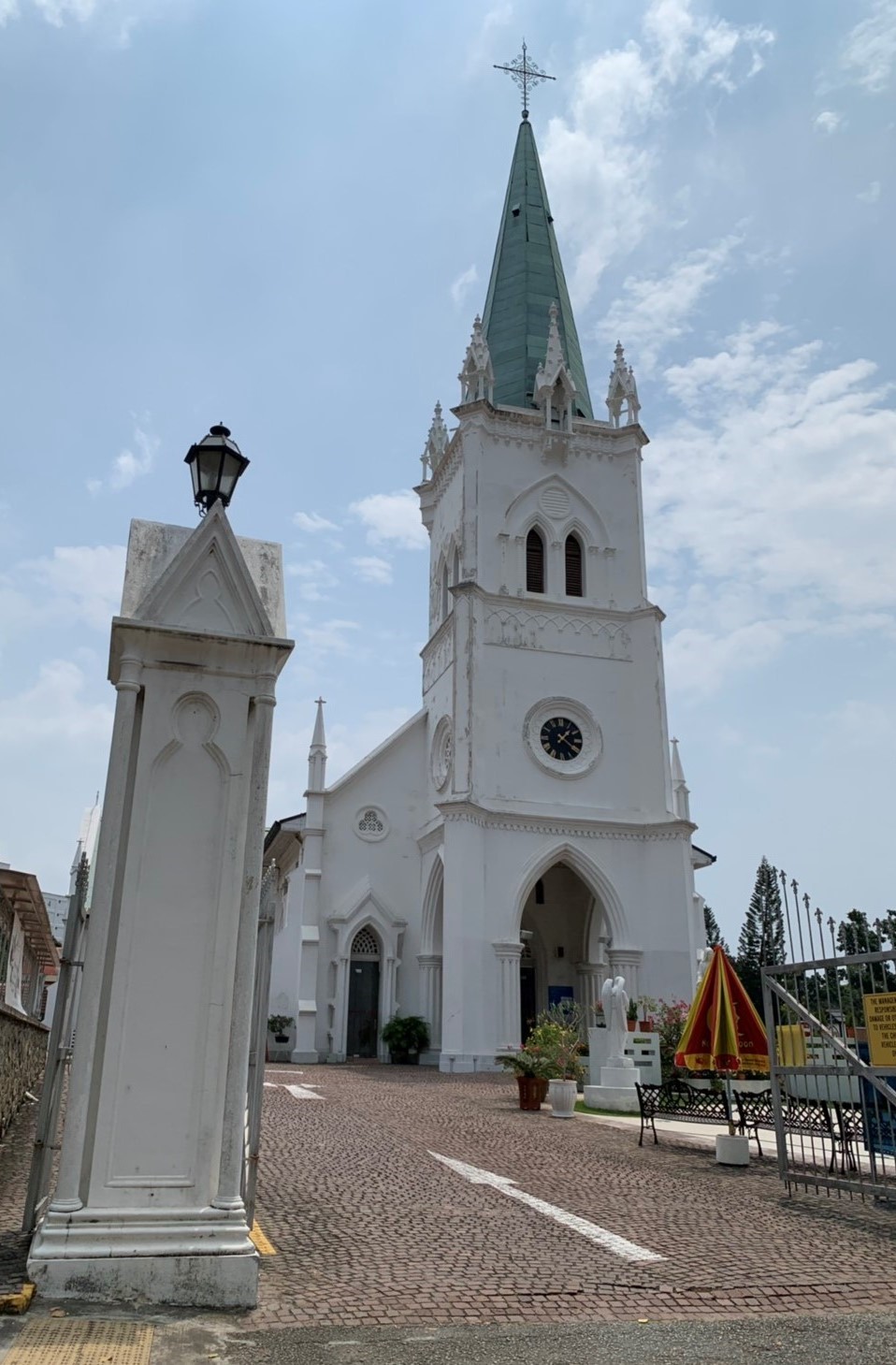
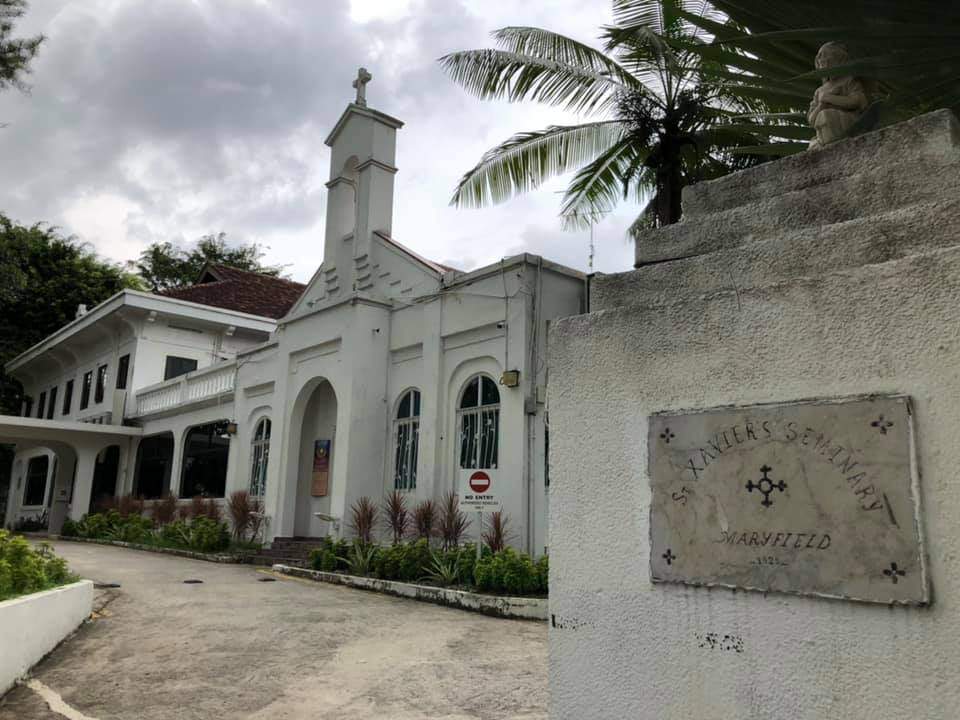
The images below represent the links between past and present, between Aukang and Punggol then, and Hougang today.
But is Hougang today the same as historical Aukang was back then? And do these two locations actually share the exact, same boundaries?

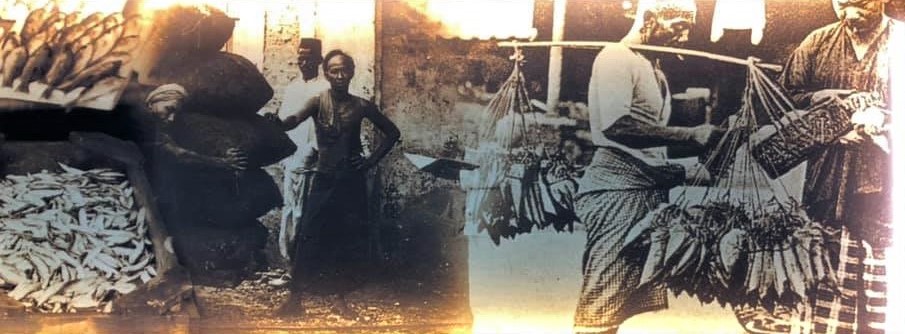
WHERE – OR WHAT – WAS AUKANG AND PUNGGOL?
In general, My Father’s Kampung covers the north-east region of Singapore, areas which would be known as Hougang, Sengkang, Buangkok, and Punggol today.
In fact, parts of Aukang then would not be considered parts of Hougang today.
Basically, what constitutes the actual location or area of historical Aukang can be quite controversial.
According to my father: “Aukang refers to the stretch of Upper Serangoon, from the fifth milestone intersection of Upper Paya Lebar and Upper Serangoon Road up to the seventh milestone, called Kangkar. It also includes Punggol, the whole of Punggol.
“There are also some people… who believe that Aukang was even bigger, beginning from the third milestone, Wan Tho Avenue.”
In the 1950s and 1960s, the political constituency was even called Punggol, instead of Aukang or Hougang. For example, in the 1955 State Assembly elections, the electoral division called Punggol-Tampines also covered Aukang, then part of Punggol.
In other words, what was named Punggol constituency could refer to what are Hougang and Punggol today. This meant that, even in the same speech, in one moment, the Member of Parliament could be referring to one part of Punggol—that is to say, the Hougang part—and in the very next moment, referring to Punggol proper.
In a certain sense, even ‘Punggol’ sometimes really meant ‘Aukang’.
“Shawn’s book takes us on a wonderful journey that explores a part of Singapore that no longer exists on local maps…
This book weaves together a story of one man’s search for his family’s past, the stories he discovered, and the history of Aukang and Hougang, and its Catholic community. It presents the history of a place through the personal stories and memories of those who once lived there. His book ensures that local memories of a place and community live on.“
Dr John Kwok,
Independent researcher
My Father’s Kampung also consists of a series of wider personal reflections, on topics like the “Kampung Spirit“, the Singapore Chinese identity, and the Singapore Story.
In particular, the Singapore Story is made up of many personal and community stories.
Our unique past connects us with our present, providing ballast and stability in the waters of an uncertain and ever-changing world.
There is little doubt that north-east Singapore has a rich and complex history.
Moreover, the history of any place or community is not a complete canvas hiding in the dark, waiting for light to be shone upon it.
Instead, history is always in a constant process of being uncovered, discovered, and rediscovered.
I hope the historical narrative and personal stories in my book can help to offer a sketch of what my father’s kampung was like before and after he was born.
If my book inspires more people to find out about the history of places and spaces in Singapore, and the stories of those who have come before us, all the better.
And if it can provoke broader reflection, dialogue, or discussion, I would be more than delighted.
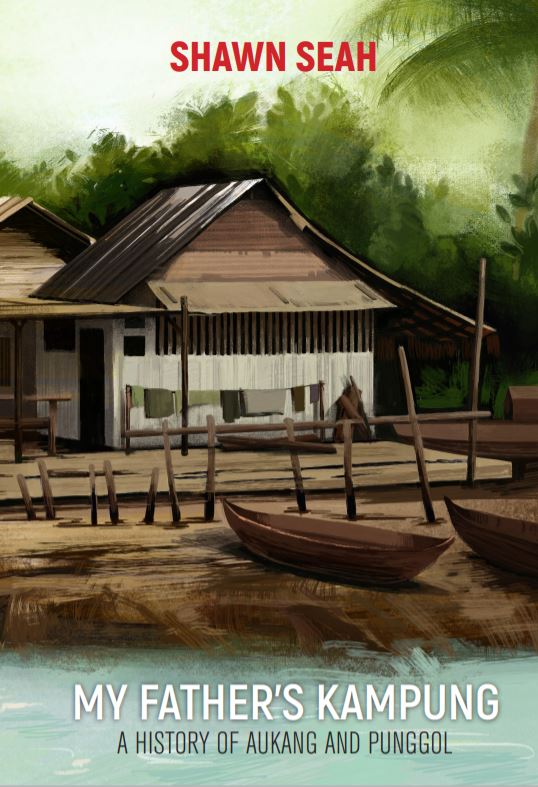
My Father’s Kampung was first launched on 19 September 2020, and is available online at World Scientific’s website and major bookstores in Singapore, like Kinokuniya.
The book has been very well-received. In 2021, it was a finalist for Best Non-Fiction Title and Top 10 Readers’ Choice of the Singapore Book Awards.
It has also been favourably reviewed by The Business Times (“Tales of a place formerly known as Aukang“) and featured in the Chinese-language newspaper, Lianhe Zaobao (“退潮前 寻后港小潮州“).
If you would like to lend your support, please visit this page My Father’s Kampung or visit your nearest major bookstore like Kinokuniya. Thank you very much for your kind support.
ACKNOWLEDGEMENTS AND CREDITS
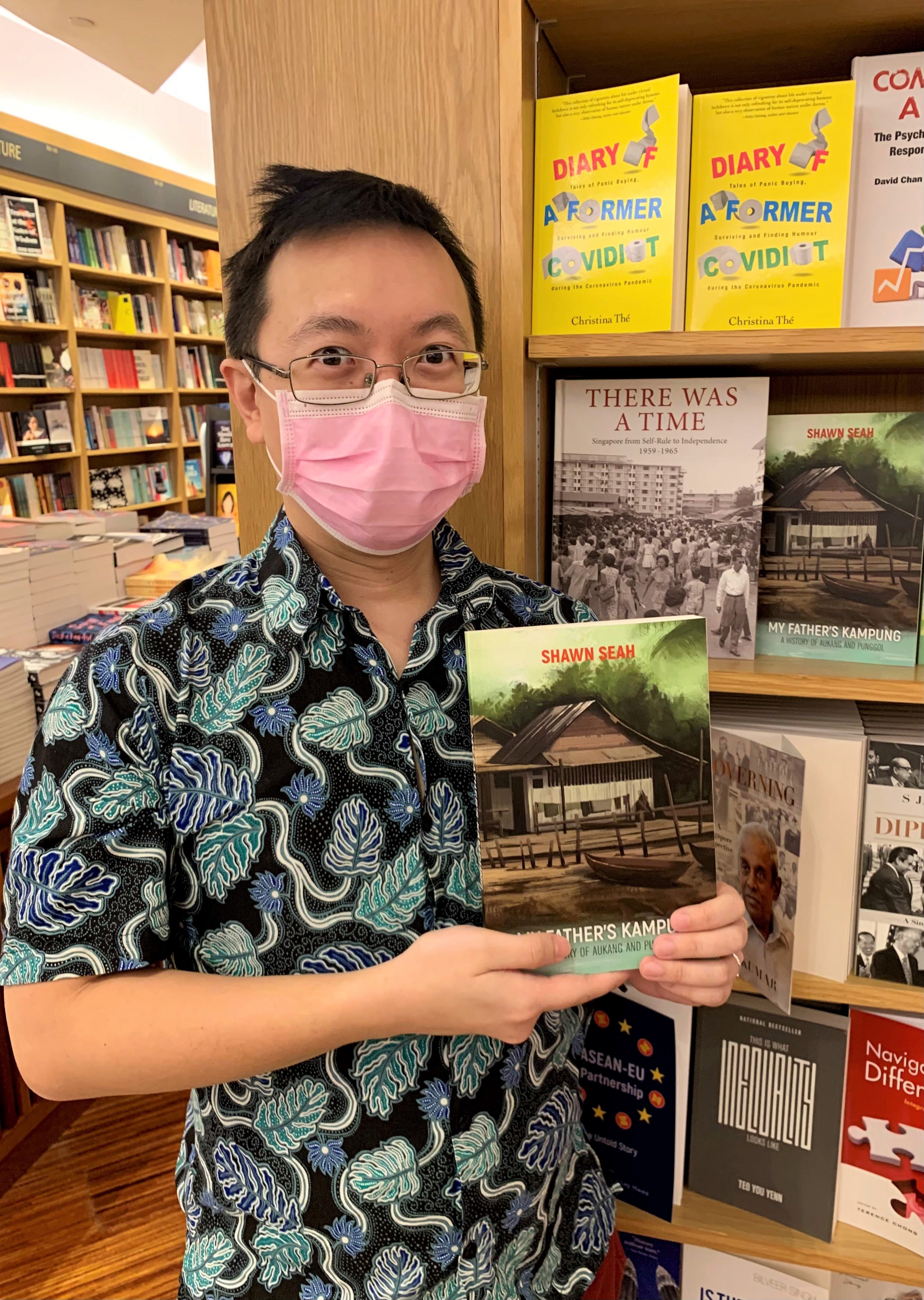
The contributions of (almost literally!) an entire kampung made this book possible.
I am deeply grateful to these kind, generous, and encouraging people.
First, I have to thank my family: Daddy, Mummy, Uncle William, and Aunty Florence.
Second, the people who spoke to me or my father, or shared their accounts and experiences with me, deserve special mention. Thank you, Robert Yeo; Lee Tong Juan; Lee Boon Kee; S. Lim; B. Goh; Lynn Lim; Joseph Tan; Ng Yew Kang; Foong TW; John Liow; Edmund M. Arozoo; Marc Rerceretnam; and Cyprian Lim. Montfort Alumni was kind, generous, and helpful: Toh Tong Dee; Bernard Yeo; Nicholas Yeo; and Sarafian. Photo credits to S. Lim; Sean Yeo and family; Sarafian and his father, Encik Salleh Sariman; and Edmund M Arozoo and the late Harold Arozoo.
Third, thank you, Khoo Yee-Hong and Sylvia Koh, and the kind people at World Scientific.
Fourth, I have to thank my mentors and teachers in my writing journey: Robert Yeo and Dr John Kwok.
Fifth, I appreciate those who gave me leads and pointers: Leow Xian Zu; Kelvin Ang; Victor Yue; Khoo Ee Hoon; and TGL.
Sixth, I would like to thank the Singapore Seah Clan Association for their support, especially Jeremy Seah Han Chong.
I worked with an amazing team. Thank you Claudia; Goh Siak Wei; Wilson Yeo; Jeyasoorya; Reuben Ng; Goh Siak Zhiang; Dingfeng; and Tilve Tarini Sachin.
I loved the artwork and I am sure many others did too. Singapore-based illustrator Jeyasoorya earned her Bachelor’s degree in Fine Arts with honours from Lasalle College of the Arts. She was the talent I had the privilege and good fortune to commission, and she worked hard on the beautiful illustrations that adorn the book.
I am also thankful for the support from the National Heritage Board.
And above all, I am very grateful for community support for local writers. Without robust support, there can be no sustainable arts, culture, and heritage scene.
Thank you.
Copyright © 2020 by Shawn Seah Li Song
Updated 13 October 2025
All rights reserved
 Shawn Seah Li Song
You must be logged in to post a comment.