
Many people have asked me about my personal journey as a published author and public speaker.
Some are interested in exploring their own family histories and seek advice on starting their research journey.
Others are looking for guidance on writing or publishing family history books, biographies, or community stories.
Many are curious about what drives me: how I conduct research; write complete manuscripts; simplify stories for young readers; work with illustrators; apply successfully for grants and funding; publish and distribute books; and plan public speaking and community engagement events, all while holding a full-time job.
This is my story.
STREET NAMES AND FAMILY HISTORY

Ever since I was a pupil in primary school, I have been interested in the stories behind the streets named after members of my family, namely Seah Street, Eu Chin Street, Liang Seah Street, and Peck Seah Street.
My father would occasionally talk passionately about these prominent pioneers we were descended from.
I always thought it would be interesting to learn more about them.
Who were these people, what did they achieve, and what were their stories?

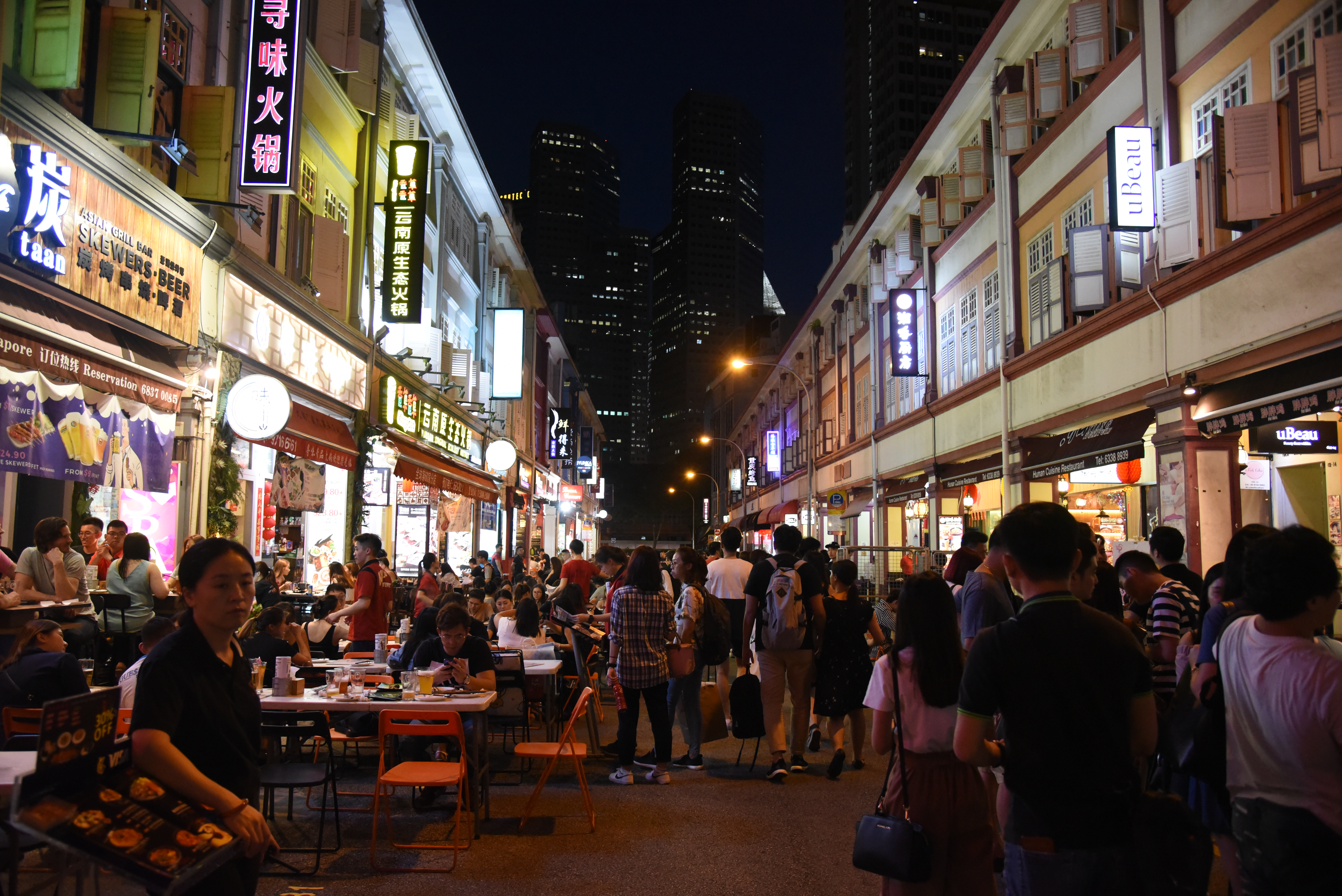

But like most Singaporean youth, I did nothing much to pursue my interest in my family history back then.
SCHOOL DAYS
I went to school, took up co-curricular activities, and pursued other interests.
Like many other boys, I played football occasionally and computer games like Red Alert, Warcraft, and Gangsters frequently.
I read many comics and graphic novels, including Batman, Spiderman, and Ghostbusters.
And, when I was attending secondary school and junior college, I was mostly focused on international and modern European history, rather than Southeast Asian or Singapore history.
Fortunately, I had an awe-inspiring junior college history teacher who taught me about the French Revolution, the 1848 Revolutions, the Russian Revolutions (both of them), the two World Wars, and the Cold War.
(Come to think of it, most of what I learnt in international and modern European history was about revolutions and wars.)

While my history teacher did not teach classes about Singapore’s history, she ignited (or reignited) in me the love of learning about the past and what it meant for the present.
And purely for that, I am forever grateful.
Later, a few years into university, a few events unfolded, one after another.
Slowly, but surely, these interconnected events increased my motivation and interest in finding out more about my ancestors and other pioneers in Singapore.
First, I read an introductory Southeast Asian studies module in university, where we had to write an essay on a topic related to Southeast Asia—and so, I wrote about my childhood interests!
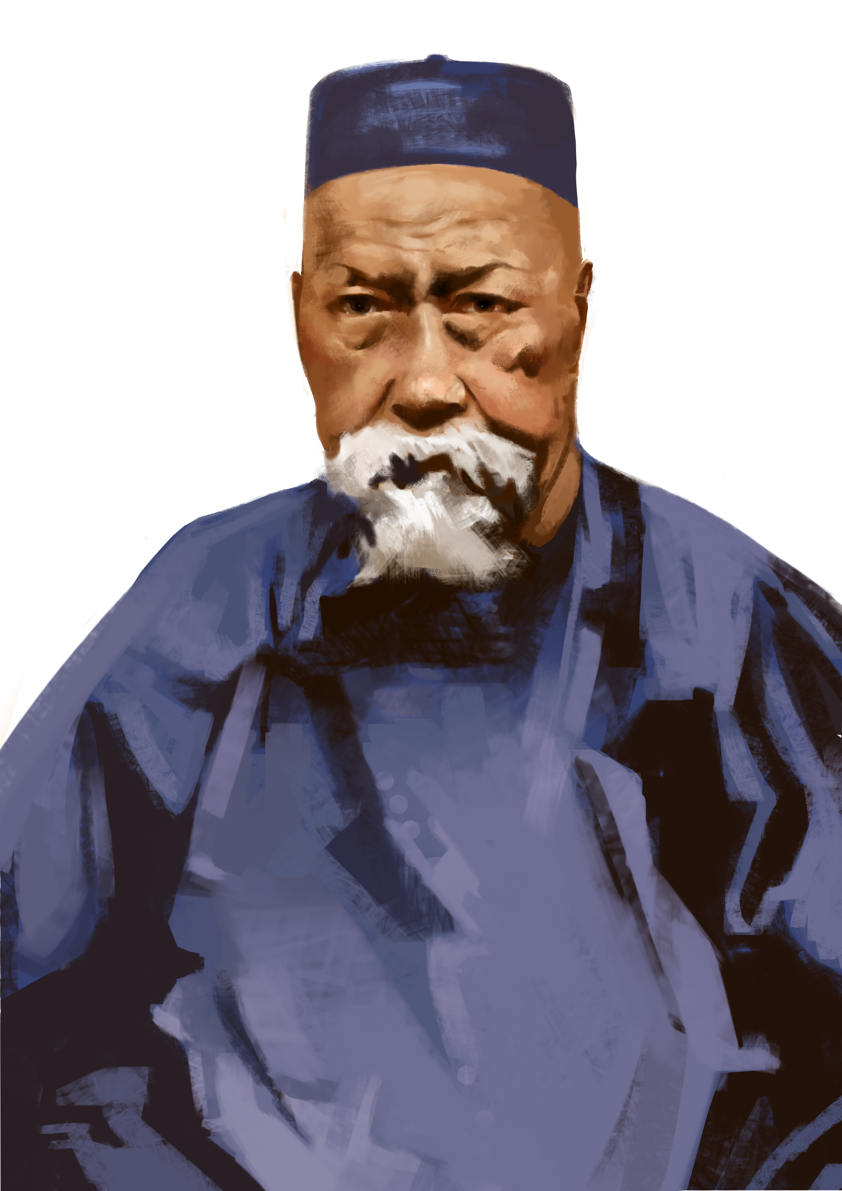
In my short paper, I briefly described how my ancestor Seah Eu Chin and his family were an integral part of Southeast Asian maritime trade, what their cultural identity could have been, and how they contributed to Singapore.
As the paper was well-received by the Teaching Assistant, I was motivated enough to begin writing portions of what eventually became the original manuscript that eventually became my first book, Seah Eu Chin: His Life & Times.
(While the book mainly focuses on my ancestor and his immediate family, it also paints a picture of the broader cultural, social, and economic history of the times that he lived in.)
Later, when I read my Master’s degree in Economic History at the London School of Economics, the inspiration to write about Peranakan middleman traders and Chinese secret societies conceptualised as private order institutions between 1819 and 1867 came to me in a dream.
The dream visited me at night, and not during classes, I hasten to add.
And in my Master’s thesis, I wrote about Singapore’s pioneers and focused some of the discussion on my ancestors.
When I returned to Singapore to start work, writing took a backseat.
For a while, local history and my passion to write were put on hold, and I focused on working.
And then it happened.
THE BUKIT BROWN SAGA

In September 2011, the Land Transport Authority (LTA) announced a plan to construct a new road parallel to Lornie Road, cutting through part of Bukit Brown Cemetery.
I must confess that I, like most Singaporeans, did not even know that Bukit Brown Cemetery existed before that announcement.
However, that announcement changed everything.
Fearing that the rich history of Bukit Brown Cemetery would be lost, some Singaporeans banded together to protest this development. They wanted the cemetery preserved and protected from the road-building project.
I followed this whole Bukit Brown saga with interest.
It spurred me on to start writing my family’s history seriously. And so I did.
For me, this was the turning point where I decided: this is important, and I must stand up and be counted.
And I thought to myself: if I do not publish my ancestor’s story, his life’s achievements and contributions to Singapore could one day be lost, possibly forever.
As the Greek poet Pindar rightly said, “Unsung, the noblest deed will die.”
At first, people thought I was crazy, wasting my time on a fool’s errand.
“Nobody reads local history,” they said.
“There is no interest in Singapore’s history,” they said.
“Don’t waste your time,” they said.
But I didn’t give up.
Sometimes when I look back on my writing and speaking journey, I am amazed at how far I have come and how many challenges I have overcome over the years.
After I had started writing in earnest, something even more amazing happened.
MY ANCESTOR’S TOMB AT GRAVE HILL
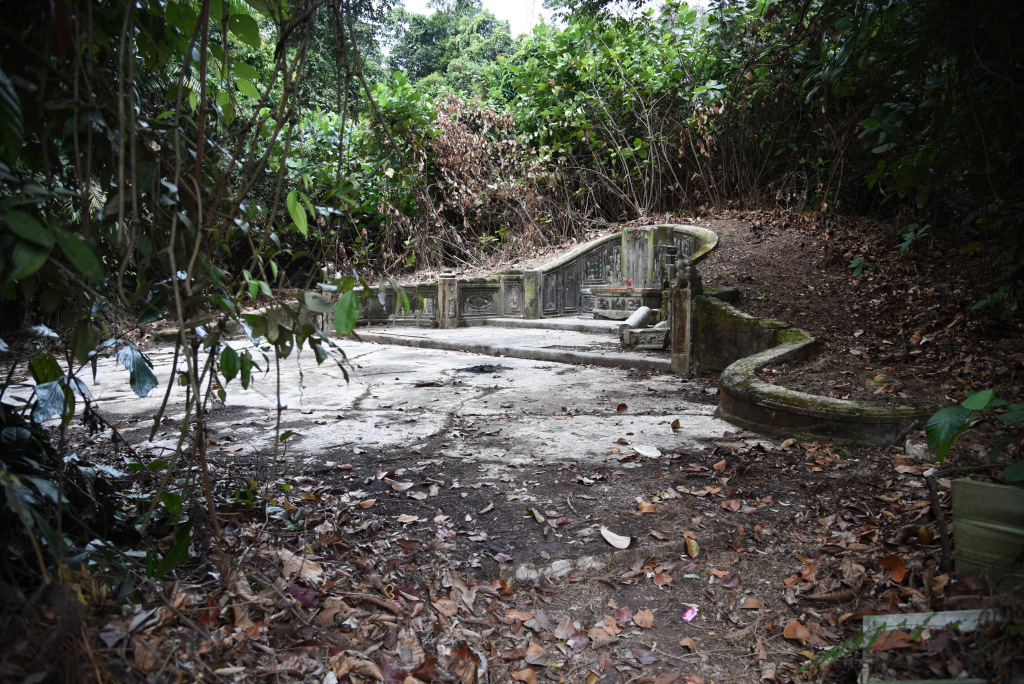
In November 2012, two tombstone hunters, brothers Charles and Raymond Goh, found Seah Eu Chin’s tomb at Grave Hill, near Bukit Brown. It once was lost, but now was found.
To provide some context, Seah Eu Chin’s tomb was not affected by LTA’s plans for Bukit Brown.
Despite that fact, in 2014, another descendant with a similar name, Sean Seah, was still reportedly motivated enough to approach the National Heritage Board with plans to save our ancestor’s tomb from the risk of redevelopment, which Bukit Brown Cemetery faced.
Seah Eu Chin’s tomb’s discovery made me even more motivated to delve deeper into Singapore’s history, heritage, and identity issues.
To me, one useful way of preserving Singapore’s history is through documenting it in writing.
Fortuitously, while I was talking to staff from the National Heritage Board about my first book, Seah Eu Chin: His Life & Times, a conversation with historian Dr John Kwok eventually led to the idea of writing a second book on Seah Liang Seah, Seah Eu Chin’s most prominent son.
As Dr Kwok said that people might be interested in reading about the story of another member of my larger, extended family, I dove into the task of expanding upon my manuscript.
And since then, I have been writing, publishing, and speaking.
EMPOWERING OTHERS THROUGH MY EXPERIENCES
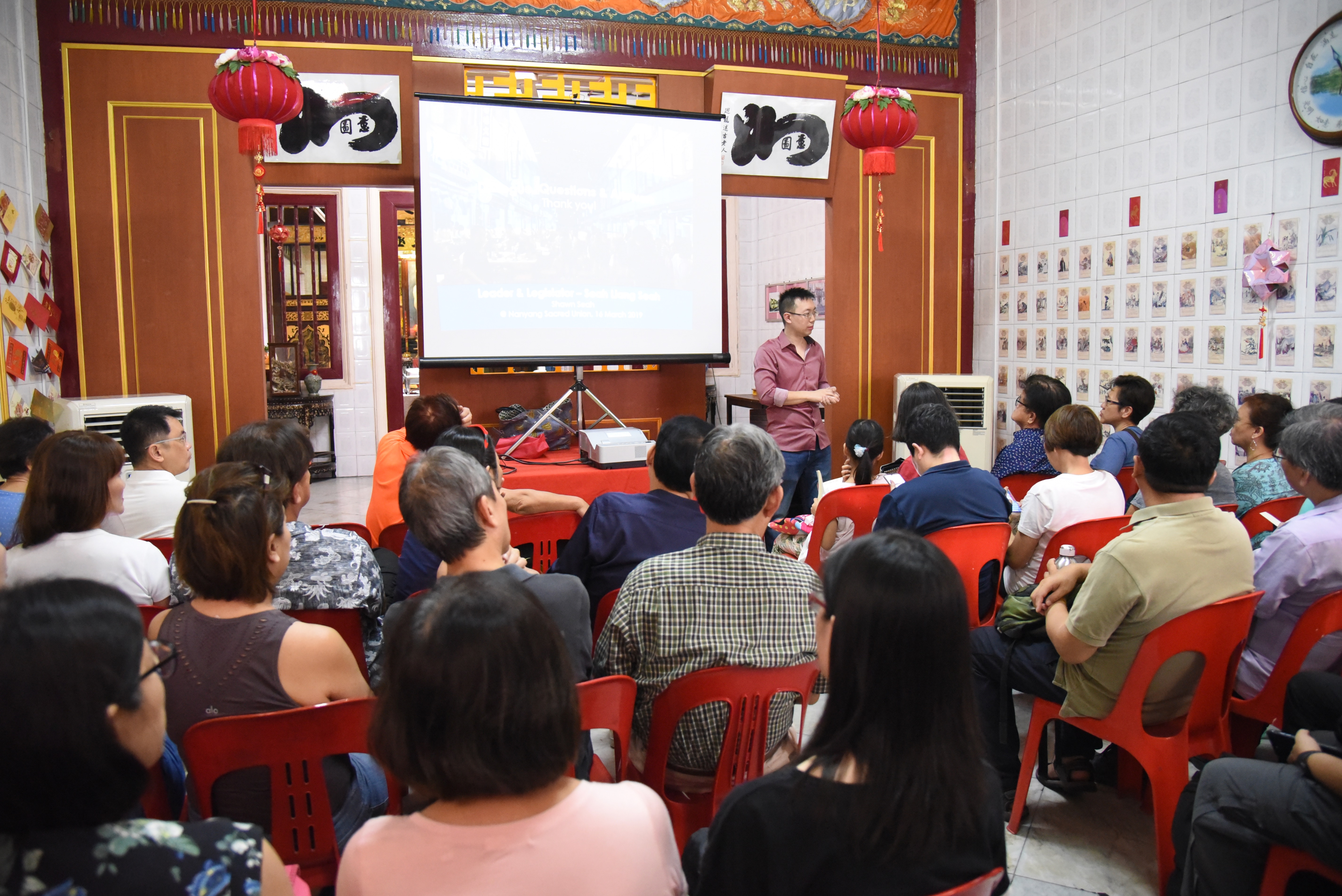
There is actually a lot to say about how I overcame the initial odds and surmounted challenges to eventually get my books published and distributed; how I applied successfully for the National Heritage Board’s Heritage Participation Grant; how I commissioned the images that grace the covers; how I planned, organised, and executed many book talk events at a wide range of venues; how I overcame the naysayers, critics, and sceptics, and more.
My deep and extensive experience, gained over many years, has helped me to guide, advise, and coach aspiring writers, to bring their book projects and creative visions to life.
One of my most meaningful experiences was when Ambulance Wish Singapore (AWS) provided an opportunity for me to support Dr Roger Tan in the development of his book.
As a consultant, I offered editorial and publishing guidance on his manuscript. And it was a joy to witness the successful publication of his book, Dear Inmates: Daily Emails to Prisoners.
I feel fulfilled when I am able to help others achieve their dreams.
FAMILY HISTORY IS PART OF THE LARGER SINGAPORE STORY

I believe that Singapore has many meaningful stories, and a rich, fascinating, and valuable history, if we only knew where to look.
Indeed, I have found from my own personal journey that Singapore is full of intriguing, interesting, and inspiring stories, and they are all around us!
I hope my books on Seah Eu Chin, Seah Liang Seah, and their Straits Chinese contemporaries can enrich the Singapore Story (or Singapore Stories) and contribute to a broader sense that we have our own unique history.
I also hope my non-fiction, family history books can preserve the memory of my illustrious ancestors—at the very least, more readers will be aware of the real-life people behind Seah Street, Eu Chin Street, Liang Seah Street, and Peck Seah Street.
And if my books can inspire readers to search for their roots, or explore their culture and heritage, or be excited to learn more about the history of Singapore, I would have more than achieved my aim.
THE IMPORTANCE OF COMMUNITY SUPPORT IN MY PERSONAL JOURNEY
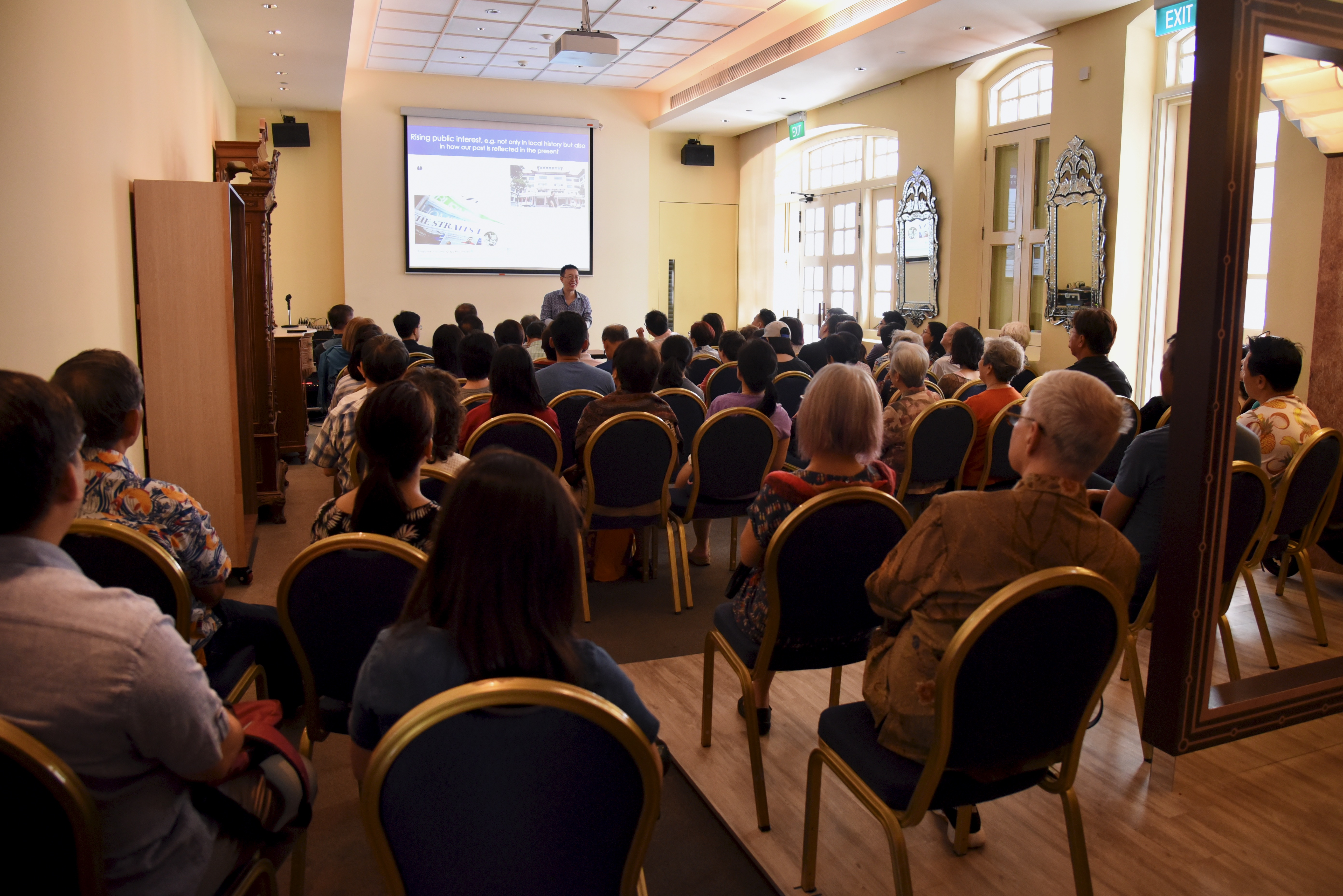
Over the next few years, my aim remains to continue writing, crafting, and publishing historical stories: simple, accessible, and readable stories.
I also enjoy engaging the community through public speaking, including telling historical stories, speaking or moderating panel discussions at history or literary festivals, and giving guest lectures.
While I am making good progress in my research, writing, and public speaking, there is still room to grow as a writer and public speaker.
I have made many mistakes (still do!), but I live and learn.
Fall down seven times, get up eight.
Get rejected today, come bouncing back tomorrow.
In fact, looking back, I am grateful for the kind and encouraging people who supported my “beta” version of Seah Eu Chin: His Life & Times (2017), as it was very primitive.
I often cringe when I look back upon my earlier efforts.
I ask myself, “Who wrote that?!”
However, they were important early steps in my personal journey.
Because I managed to get my first book sold and completely distributed, I could then move on to having a second edition of my first book (2019), and then a second book, Leader and Legislator—Seah Liang Seah (2019).
My first book was also popular and successful enough to be translated into Chinese, 佘有进的风云际会 (2019).
Without strong community support, the first step would have been my last.
And this is why I firmly believe that local writers and storytellers can only thrive with community support.
I’m deeply grateful to the many mentors, fellow writers, readers, listeners, and supporters who humoured, honoured, and helped me over the years, whether it was by coming to listen to me speak, giving me kind words or good advice, or pointing me in the right direction.
On this note, I am reminded of what Dale Carnegie wrote about magician Howard Thurston in How to Win Friends and Influence People.
Each time Thurston went up on stage to perform, he said to himself: “I am grateful because these people come to see me. They make it possible for me to make my living in a very agreeable way. I’m going to give them the very best I possibly can.”
Thurston was grateful for his audience’s support. And I am sure they loved and respected him back.
These are words of enduring wisdom that I try to live by.
NARRATING COMMUNITY STORIES

For a few years before the COVID-19 pandemic struck, I spent a lot of time with my father to learn about his stories.
I wanted to learn about his life’s journey.
I wanted to better understand and appreciate him as a person.
I wanted to write his story.
I was curious and asked him many questions.
Where did he live when he was young? What was life like when he was a young man growing up in the 1940s to 1970s? How did he feel about his cultural identity as a Teochew? How about his religion as a Roman Catholic?
In 2020, I published an accessible history of Aukang and Punggol, from the stories I learnt from my father, as well as other personal stories I had gathered from his friends and many others.
The narrative non-fiction book, called My Father’s Kampung: A History of Aukang and Punggol, is largely focused on Teochews in north-east Singapore (covering areas that would be known today as Hougang, Sengkang, Buangkok, and Punggol).
It also tells the stories from other communities like other dialect groups and Eurasians living in the area.
It carries stories about the Teochew Catholics in historical Aukang and Punggol.
It traces my personal journey as a son to better understand and appreciate the kampung life my father lived, and carries personal stories and oral histories of those who lived there, as well as illustrations and photographs.
Hopefully, My Father’s Kampung will help to deepen appreciation of our local history and community stories, by painting a portrait of this place that meant so much to my father.
And it is also my hope that the book, like many of my other works, can inspire reflections, dialogues, or discussions on broader issues like the “Kampung Spirit”, the Singapore Chinese identity, and the broader Singapore Story.
(For more details on the book, please visit the tab labelled Kampung.)
HELPING YOUNGER READERS LEARN ABOUT SINGAPORE’S AMAZING PIONEERS AND HEROES
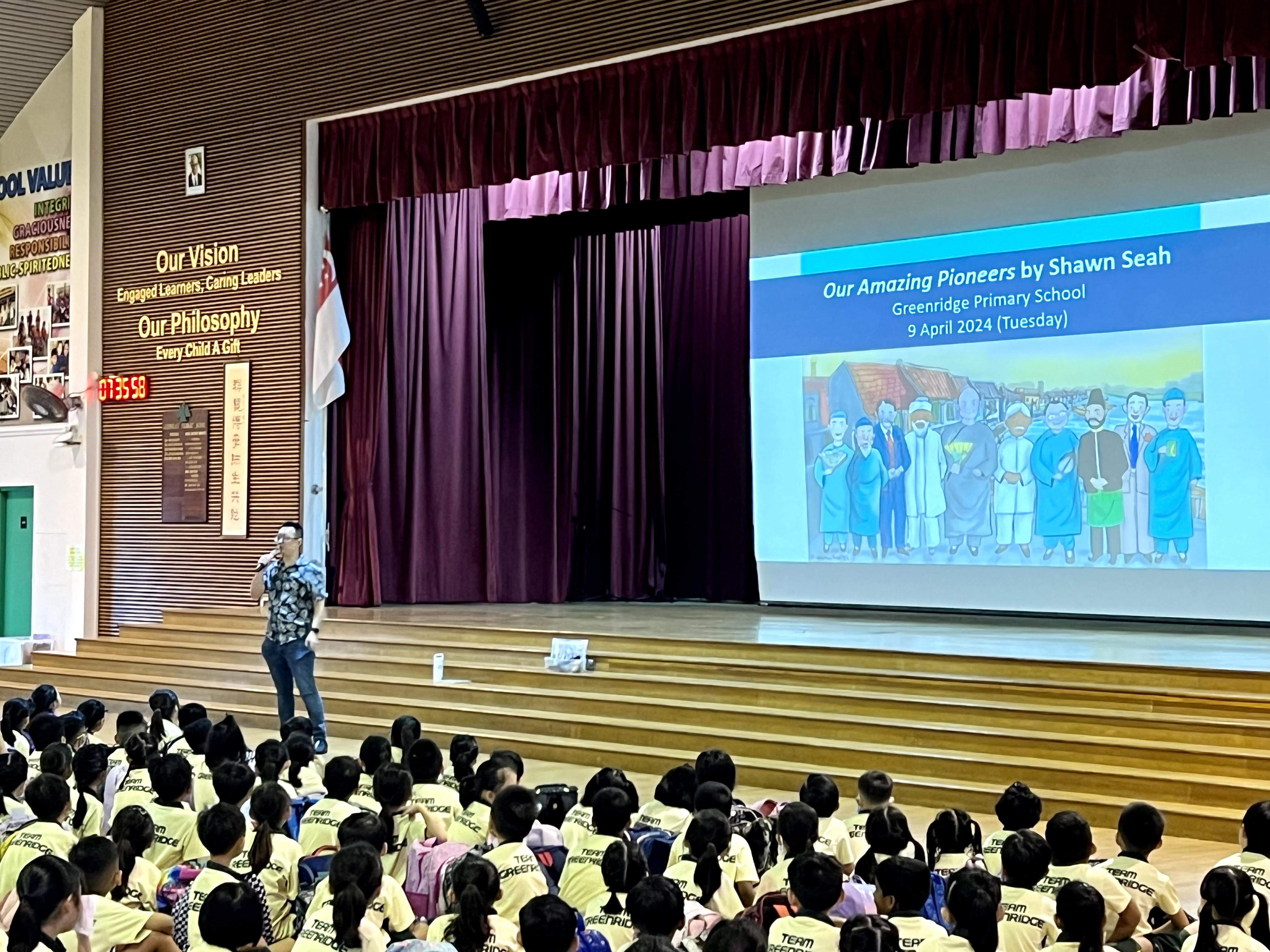
Since 2022, I have also expanded my writing and public speaking efforts beyond my family’s history, Teochew culture, and Chinese Singaporean themes—which remain important and significant to me.
As a historical storyteller, beyond narrating my own family history, I wanted to narrate the stories of other important pioneers who also helped to build Singapore. I also wanted to reach out to younger readers.
One reason why I started writing for children and engaging them at assembly talks (and their parents and grandparents at book readings) is that I believe that it is important for the younger generation to learn early on about those who came before them.
Through historical stories, children can appreciate our pioneers’ values of resilience, hard work, and spirit of giving back to society. And hopefully they will be inspired to make a positive difference to Singapore and our fellow Singaporeans.
To develop my children’s book series, I thought of exploring episodic storytelling in narrative non-fiction for children—like the “Marvel Cinematic Universe”—to make Singapore historical stories more connected, appealing, and relatable.
After all, teachers and readers shared with me that children love series books, especially children’s book series like Horrible Histories!
OUR AMAZING PIONEERS (2023) AND OUR AMAZING HEROES (2025)
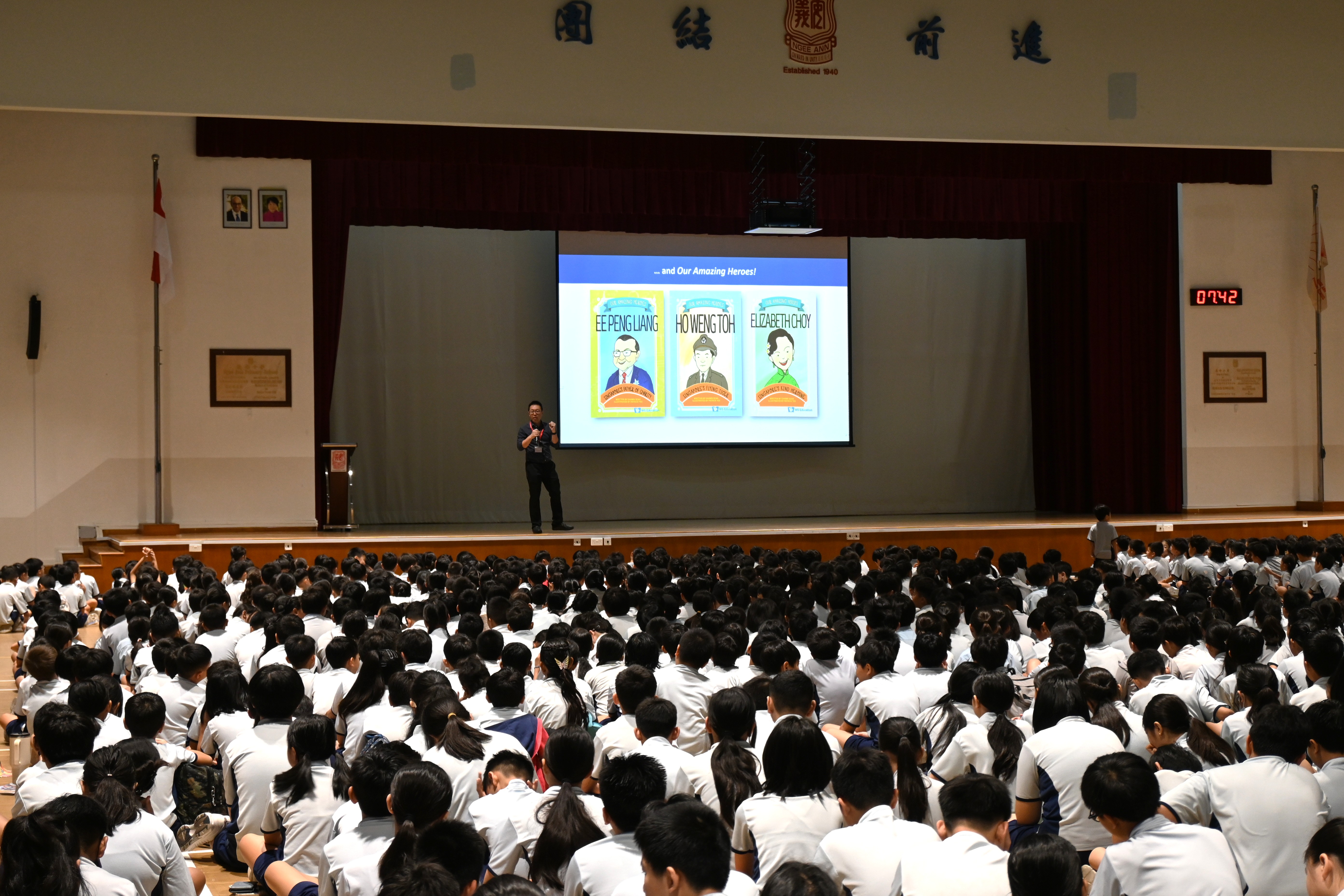
I started my first steps in this new direction by publishing a series of fully-illustrated, non-fiction children’s books called Our Amazing Pioneers and Our Amazing Heroes.
While crafting my manuscripts, I learnt from more experienced children’s book writers and publishers.
They taught me to write with scenes and page spreads in mind, visualising the illustrations to fill the spreads.
I also collaborated closely with award-winning illustrator Patrick Yee, whose talent and efforts have helped to bring my stories to life.
My first children’s book series, Our Amazing Pioneers, was aimed at primary school pupils, featuring not only Teochew pioneers, but also pioneers from other dialect groups and races, including Indian and Arab pioneers.
Beyond my ancestor Seah Eu Chin and his family, I also wrote stories of other pioneers like Tan Tock Seng, Syed Omar Aljunied, and Naraina Pillai.
My second children’s book series, Our Amazing Heroes, is the sequel to Our Amazing Pioneers, telling the stories of several war heroes who went on to contribute to Singapore in their own unique ways.
Generously supported by Genealogy Society Singapore (GSS), my children’s book series tell the amazing stories of Singapore’s Flying Tiger, Captain “Winkie” Ho Weng Toh; Singapore’s Father of Charity, Dr Ee Peng Liang, and Singapore’s Kind Heroine, Elizabeth Choy.
CONCLUDING REFLECTIONS

It has been a meaningful and exciting journey, and there is still a long road to go.
There are many more stories to tell and more people to engage and inspire.
I believe in playing my part to nurture a society where our history, our shared heritage, and our community stories are cherished and celebrated.
Through my efforts in historical storytelling as a published author and public speaker, I hope to inspire more Singaporeans to explore the stories of those who came before us.
By knowing where we come from, and who we are, I believe we stand a good chance of remaining rooted, centred, and united as one people as we move forward together into the future.
This is my personal wish for my fellow Singaporeans.
Thank you for reading about my personal journey.
Cheers,
Shawn Seah
*** ***
Copyright © 2019 by Shawn Seah Li Song
Updated 13 October 2025
All rights reserved
Views expressed in this website are made in my private capacity. Should you find any inaccurate or objectionable material, please inform me. Thank you.
 Shawn Seah Li Song
You must be logged in to post a comment.