Remembering Mrs Elizabeth Choy’s Courage and Compassion at Changi Chapel and Museum

It was a slightly surreal experience as an author to hear someone else perform my work.

Storyteller Tanya Ang brought one of my books to life at Changi Chapel and Museum.

Her storytelling was organised by HeritageSG as part of the Children’s Day celebrations from 2 to 4 October 2026, organised across several Singapore heritage sites paired with a corresponding Singapore history book.

In my case, Elizabeth Choy: Singapore’s Kind Heroine from my children’s book series Our Amazing Heroes, was a natural fit for Changi Chapel and Museum because Elizabeth Choy’s wartime experiences were intertwined with the history being explored at the museum.
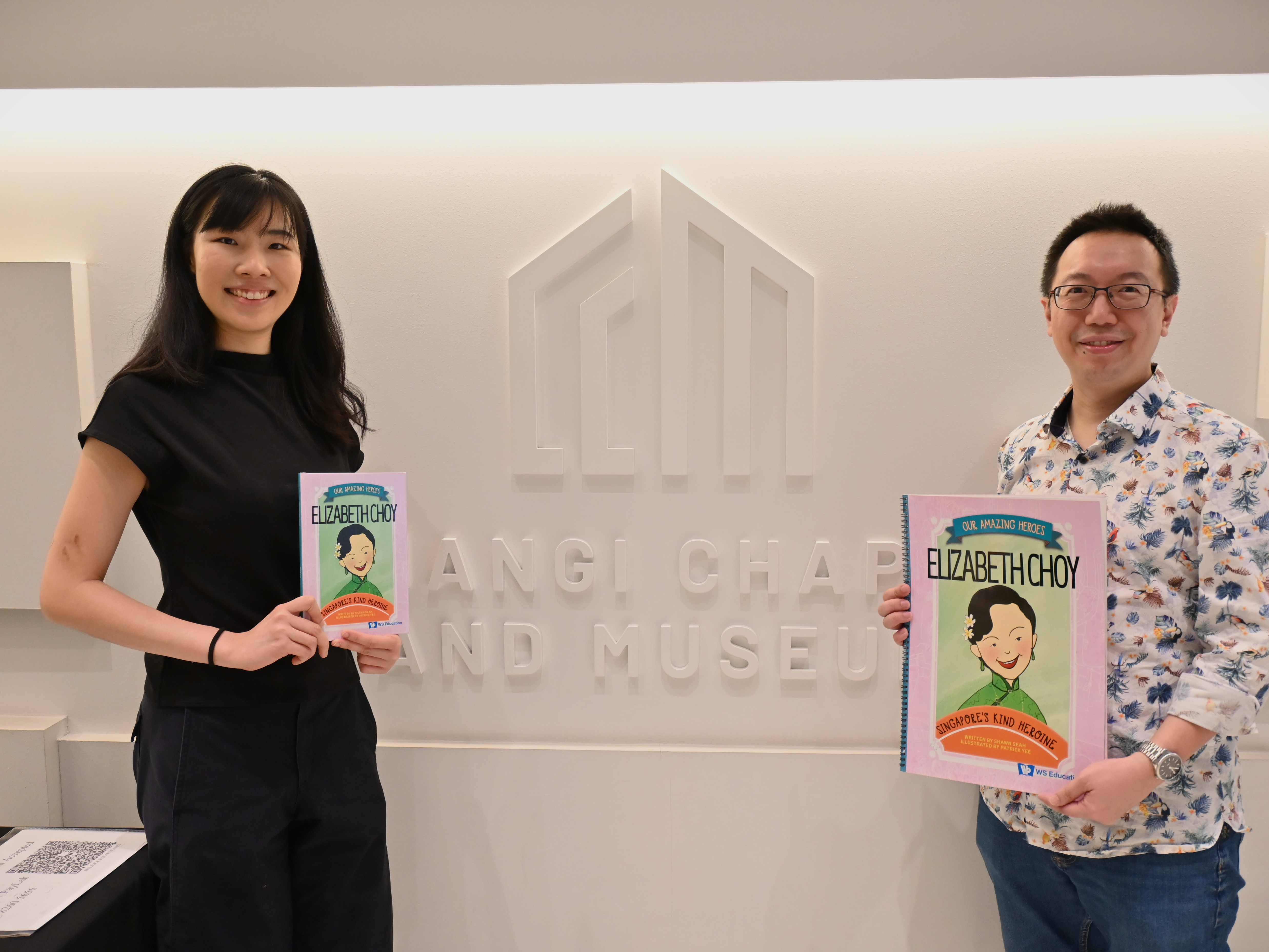
Performer Tanya Ang and author Shawn Seah holding up books on Elizabeth Choy: Singapore's Kind Heroine.
Storyteller Tanya Ang and author Shawn Seah with Elizabeth Choy: Singapore’s Kind Heroine. Photograph by Shawn’s team.

As part of the programme, Tanya performed the story for different groups of participants over three mornings.

Children and their parents listened to stories, grappled with questions, and crafted their own medals. Above all, they reflected on how they could be courageous and compassionate, like Mrs Elizabeth Choy.

Regrettably, I could not be there to sit in for all the sessions as I was busy, but I managed to go down to the museum over the weekend.

Whenever I visited, I had a lovely time meeting parents and their children, museum volunteers, my fellow Singaporeans, and visitors from Australia and England.

Different Approaches to Storytelling

It was a slightly surreal experience as an author to hear someone else perform my work.

Children’s book writers spend much time and effort on the precise words, sentences, and paragraphs on each spread. More broadly, thinking about the specific words we want to array on the page is also true of narrative non-fiction writers in general.

That is why it can be fascinating and interesting to see what happens when another storyteller takes the words, sentences, and paragraphs we crafted, and makes them her own.

I enjoyed watching Tanya perform, and her storytelling approach was different from mine in many respects. Watching her perform gave me a useful opportunity to think harder about the different ways we can introduce history to children.

For example, she was comfortable bounding beyond the boundaries of my book. She asked the children questions beyond what was written on the page, and brought in the surrounding historical context in her own words. She treated the book flexibly as a storytelling resource, rather than follow every sentence closely. However, she did read some of the more pertinent passages out loud too. She focused on engaging the children and interacting with them, which is something I personally believe in and was reminded to do more of.

My own historical storytelling approach is slightly different. I think that my way, perhaps, reflects my past working life as a teacher (or maybe it is undiagnosed OCD).

As an educator, I tend to stay closer to the text, often word for word. I often pause to explain the historical context around particular phrases or offer more details, but only after I have covered the particular, specific historical narrative first. For key points, I will even repeat, repeat, repeat.

I reflected that I tend to make fuller use of the illustrations in the double-page spreads, drawing attention to details or actions and asking them what they notice before moving the story forward.

We did share many commonalities in interactions. I liked how she engaged the children. As for me, I sometimes use a simple “show of hands” or call for quick responses to questions like, “Did they live happily ever after?” or “What do you think happened next?”

I also usually use “withitness” to adjust my pace, volume, or eye contact to the children. As an example, I have reflected on how to give an amazing assembly talk to primary school pupils.

However, I still enjoyed watching Tanya perform and did not steal her thunder. She did great justice to my book and even introduced me as well (very kind of her). And there are many ways to tell a story after all. Education and entertainment can be combined in many ways, and a story can acquire a different life in the hands of different storytellers.

What matters most to me is that children are engaging with the material; thinking; asking questions; and learning.

Now, it is not always easy for children to pay complete attention, concentrate, or stay focused all the time. To me, it is A-OK even when children make faces, laugh, or fidget. I mean, at my age, I still have ants in my pants.

As long as any historical storyteller has tried their level best to engage with the children, some self-forgiveness is in order.

Revisiting the Double Tenth Incident

Over the years, I have visited Changi Chapel and Museum several times. I will not spoil the visit for you, but here are some pictures that might encourage you to pay a visit.

For full disclosure, do note that this is a relatively small but deeply meaningful museum.
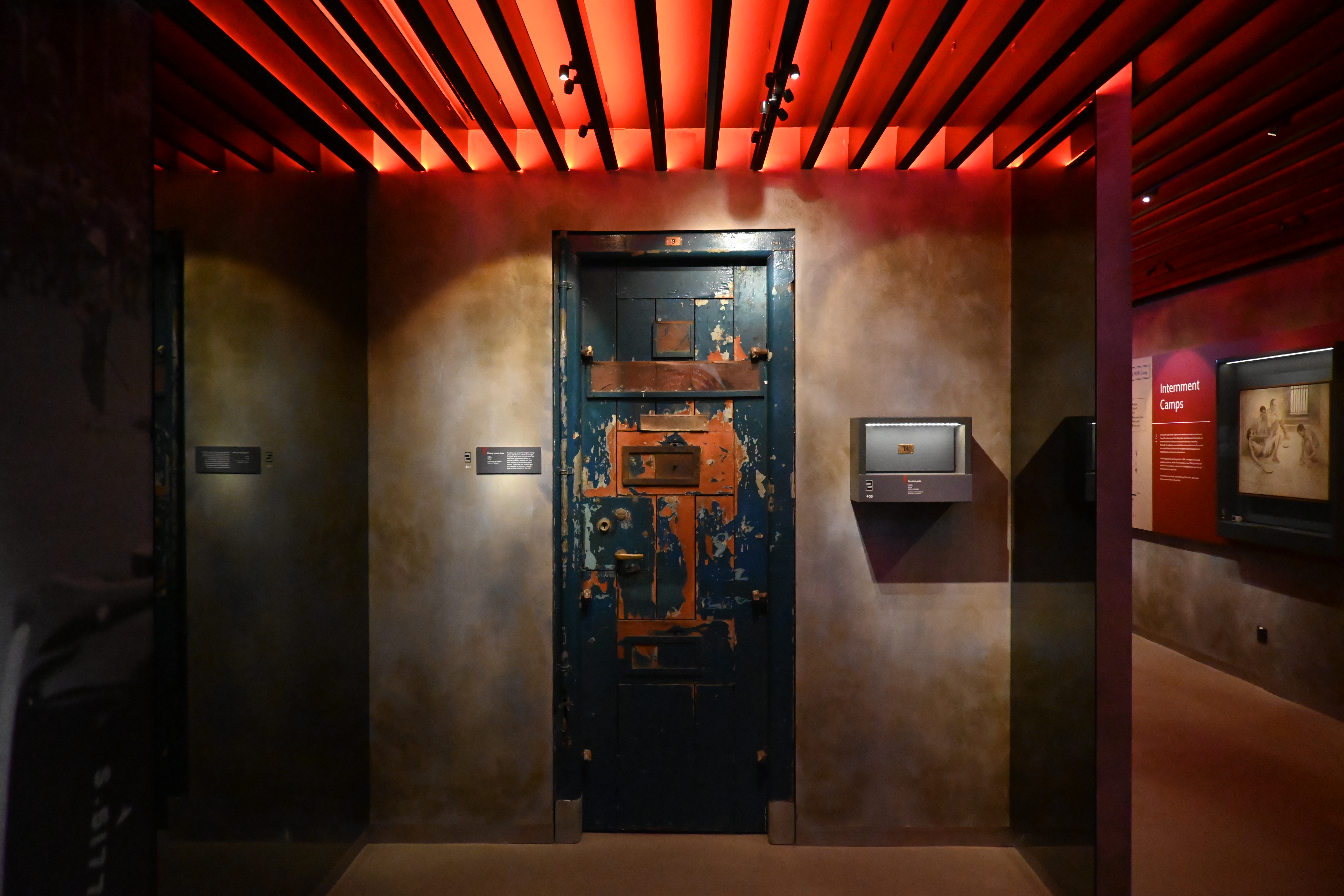
Changi prison door at Changi Chapel and Museum.
Changi prison door at Changi Chapel and Museum. Photograph by author.
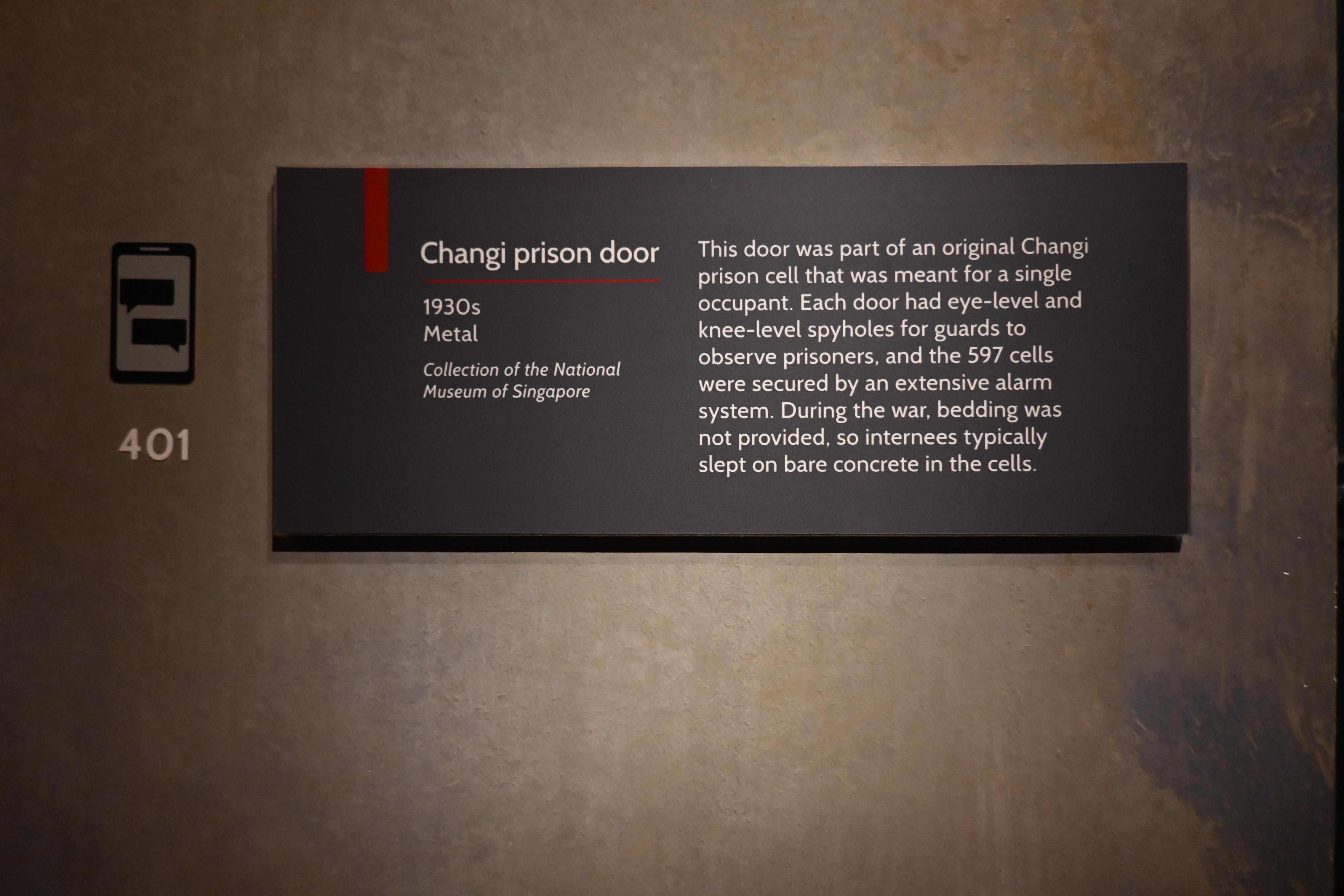
Museum label about the Changi prison door at Changi Chapel and Museum.
Museum label about the Changi prison door. Photograph by author.
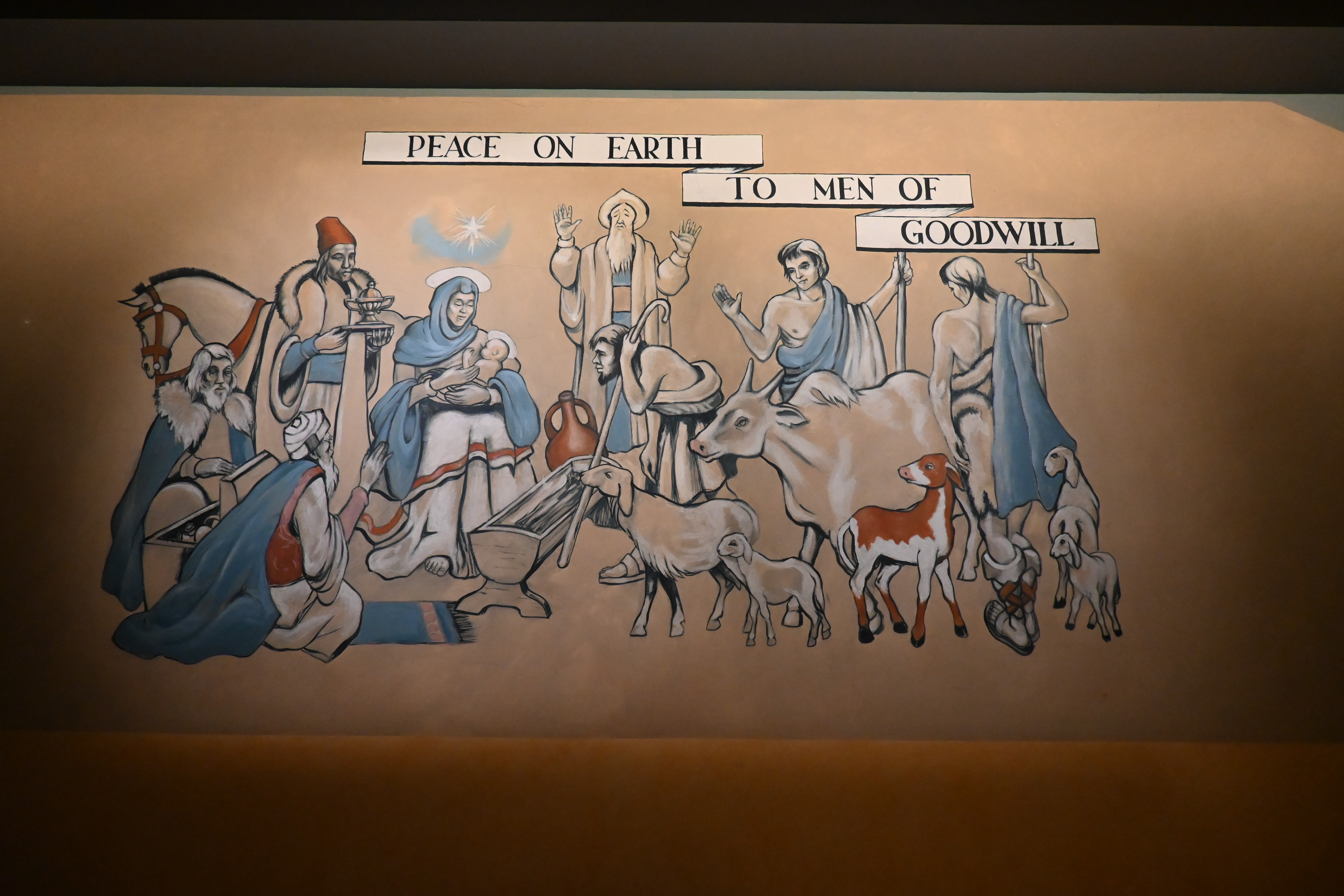
A Christian wall mural at Changi Chapel and Museum.
Wall mural (replica) at Changi Chapel and Museum: “Peace on earth to men of goodwill.” Photograph by author.

One thing that really stood out to me during this time was revisiting the Double Tenth Incident.

The name refers to 10 October 1943, the tenth day of the tenth month, when the Kempeitai, the Imperial Japanese military police, began arresting civilian internees whom they suspected of involvement in an attack on Japanese shipping in Singapore’s waters.

The context was that, in September 1943, British and Australian commandos carried out Operation Jaywick, a daring raid. The operation succeeded in damaging or sinking several Japanese ships, and the commandos escaped. The Japanese did not quite realise that the attack had been mounted by an Allied commando force from outside Singapore. Instead, they suspected that people within Singapore had assisted the raid.

On 10 October, the Kempeitai raided Changi Prison and began arresting and torturing suspects. More arrests followed. This tragic episode subsequently became known as the Double Tenth Incident.
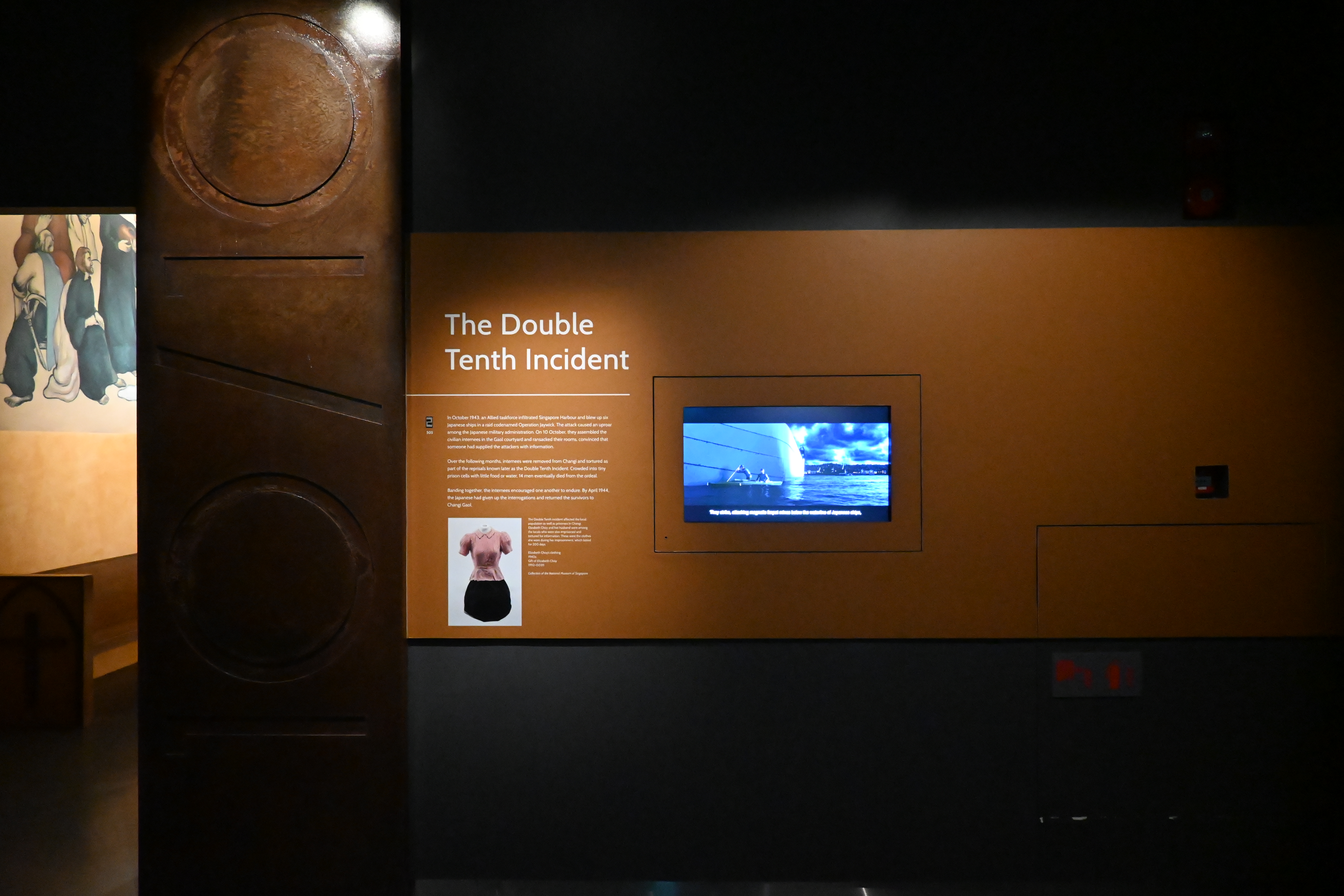
The Double Tenth Incident wall panel and video at Changi Chapel and Museum.
The Double Tenth Incident wall panel and video at Changi Chapel and Museum. Photograph by author.

Among those caught up in the crackdown were Mr Choy Khun Heng, and subsequently his wife, Mrs Elizabeth Choy. The Choys had been smuggling food, medicine, money, and messages, including radios.

As a result, Elizabeth was imprisoned for almost 200 days, as well as interrogated and tortured.
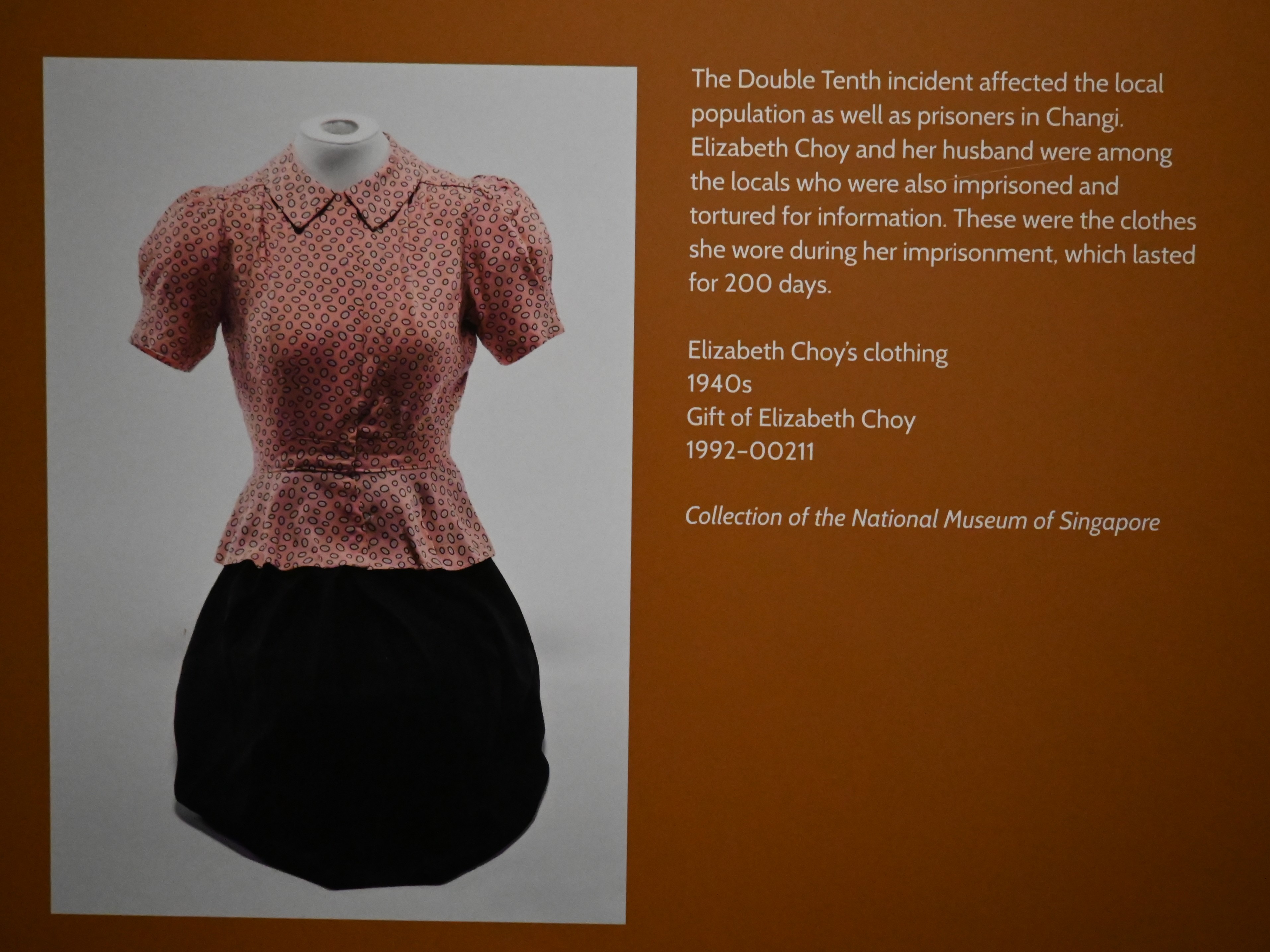
Photograph of Mrs Elizabeth Choy's clothing.
Picture of Mrs Elizabeth Choy’s clothing that she wore during her imprisonment. Photograph by author.

My children’s book on Mrs Elizabeth Choy in Our Amazing Heroes touches on this pivotal episode. When I walked about Changi Chapel and Museum and encountering the broader, wider story again was a reminder that Mrs Elizabeth Choy’s experience formed a part of the broader, wider history of the Japanese Occupation of Singapore.

What Can Children Learn From Elizabeth Choy’s Story?

There are several lessons children can take away.

The first is that courage does not necessarily mean military courage (just like Total Defence does not simply refer to only military defence).

Mrs Elizabeth Choy was not a soldier, yet she chose to help people who were suffering, even placing herself at considerable risk.

Most of us will (hopefully!) never face the challenging circumstances Mrs Elizabeth Choy courageously faced. However, in our lives, we will encounter many moments when we have to decide whether to help someone, speak up, or do the right thing, even when it might be easier not to.
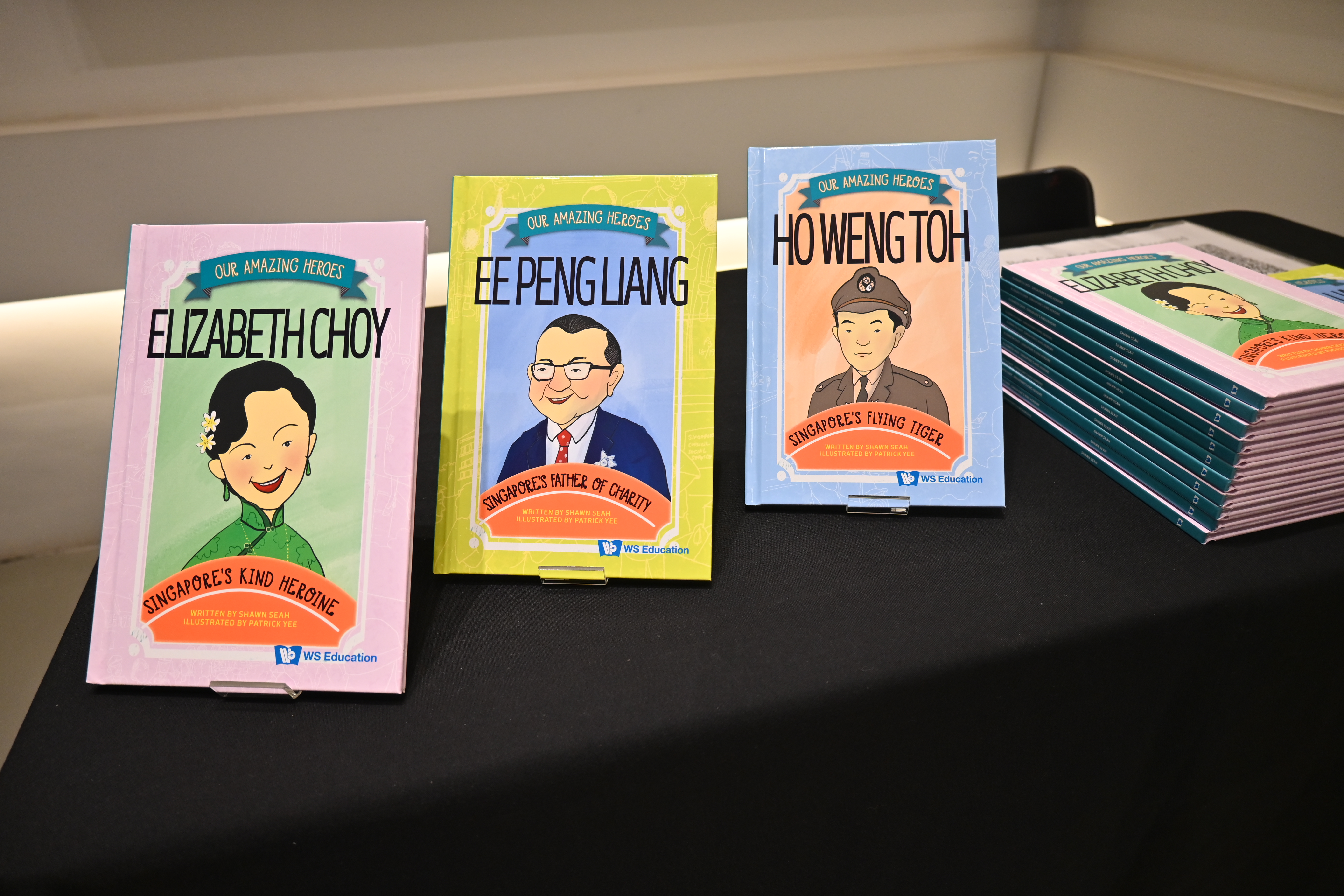
The children's book series, Our Amazing Heroes, authored by Shawn Seah and illustrated by Patrick Yee.
The children’s book series, Our Amazing Heroes, authored by Shawn Seah and illustrated by Patrick Yee. Books were on sale at Changi Chapel and Museum from 2 to 4 October 2026. Photograph by Shawn’s team.

We remember heroes and heroines such as Mrs Elizabeth Choy because of how they responded to extraordinarily difficult circumstances.

Her courage was accompanied by compassion and a willingness to contribute to society. I hope that younger readers will be inspired by her story, and the stories of Singapore’s amazing heroes and pioneers.

In our own little ways, each of us has a part to play in keeping Singapore strong.

Thank you for reading.

Cheers,
Shawn Seah

About the Author

Shawn Seah is a published author and public speaker who makes Singapore’s history come alive through engaging storytelling. He is the author of the children’s non-fiction series Our Amazing Pioneers (2023) and Our Amazing Heroes (2025), fully-illustrated books aimed at primary school pupils. He has also written non-fiction books for the general reader on family history and Singapore pioneers like Seah Eu Chin and Seah Liang Seah. One of his books, My Father’s Kampung: A History of Aukang and Punggol, was a finalist for Best Non-Fiction Title at the Singapore Book Awards 2021. A recipient of the NUS Outstanding Young Alumni Award (2023), Shawn speaks regularly about family history research, Singapore history, and the art of historical storytelling at schools, literary festivals, and museums.
The Story Behind: “Searching for One’s Roots 2.0”

In family history, we are familiar with people searching for their roots.

But what happens when a sentient artificial being wishes to learn where it came from?

I recently attended the launch of the Sengkang Sci Fi Journal, formerly the Sengkang Sci Fi Quarterly.

This Singapore-based, literary journal is dedicated to speculative fiction and adjacent genre stories, harkening back to the golden age of sci-fi where short fiction pioneered the art of creating narratives within imagined futures. It supports short stories that push the limits of imagination using the frame of technology to entertain and examine. I was heartened to see its Chief Editor Mr Zubin Jain building and supporting a community of writers in Singapore imagining new futures through speculative fiction.

(Thank you Zubin and team for supporting and building this community. Incidentally, from his launch party, I learnt that instead of requiring guests to write their names on stickers, you could ask them to write about their favourite novel or film! I was “Dune”.)

As a Singaporean author focused on non-fiction, I usually write about family history and heritage.

My small contribution to Issue 3, “Searching for One’s Roots 2.0”, is an experimental step into sci-fi historical fiction. I thought about how I could write a piece that combined family history; Artificial Intelligence, which is all over the news these days; and an engaging plot.

I also experimented with structure. That is why I tried writing my piece as a movie script, using dialogue and direction to carry the story.

Set in the far distant future, my sci-fi story follows a sentient humanoid being searching for its roots, only to discover that its origins are more human, and more unexpected, than it had initially imagined.

Sentient machines are built in the image of their creators: and their creators, in turn, are human, who grapple with issues like searching and longing. Some answers must be experienced, to be found.

If this teaser (or is it a spoiler?) to my first sci-fi historical fiction piece speaks to you, this may be worth a read: “Searching for One’s Roots 2.0“.

Thank you for reading!

Cheers,
Shawn Seah

About the Author

Shawn Seah is a Singaporean author who has written several non fiction books, including the children’s non-fiction series Our Amazing Heroes and Our Amazing Pioneers. A storyteller at heart, he has appeared in the media and at literary festivals to share stories about Singapore’s history and heritage, and the art of historical storytelling at schools, literary festivals, and museums. Shawn is currently experimenting with sci-fi historical fiction.

Street Names of Pioneers at the Singapore Writers Festival 2025

I am delighted to be invited to the Singapore Writers Festival 2025!

As an author and public speaker, I am always excited to talk about my writing, including my children’s non-fiction series, Our Amazing Pioneers, where my books bring Singapore’s pioneers to life for young readers.

On Saturday, 15 November 2025, from 3.30pm to 4.30pm, at The Arts House at The Old Parliament, Screening Room, I will be speaking as part of a panel on the topic: “Name Dropping: The Legacy of Singapore’s Street Names”, moderated by Wesley Leon Aroozoo.

This topic is close to my heart.

I am delighted to have distinguished professors Victor Savage and Brenda Yeoh as my fellow panellists.

In fact, back when I was researching and writing my first book, Seah Eu Chin: His Life and Times, I actually cited Savage and Yeoh’s books: Toponymics: A Study of Singapore Street Names and Singapore Street Names: A Study of Toponymics.

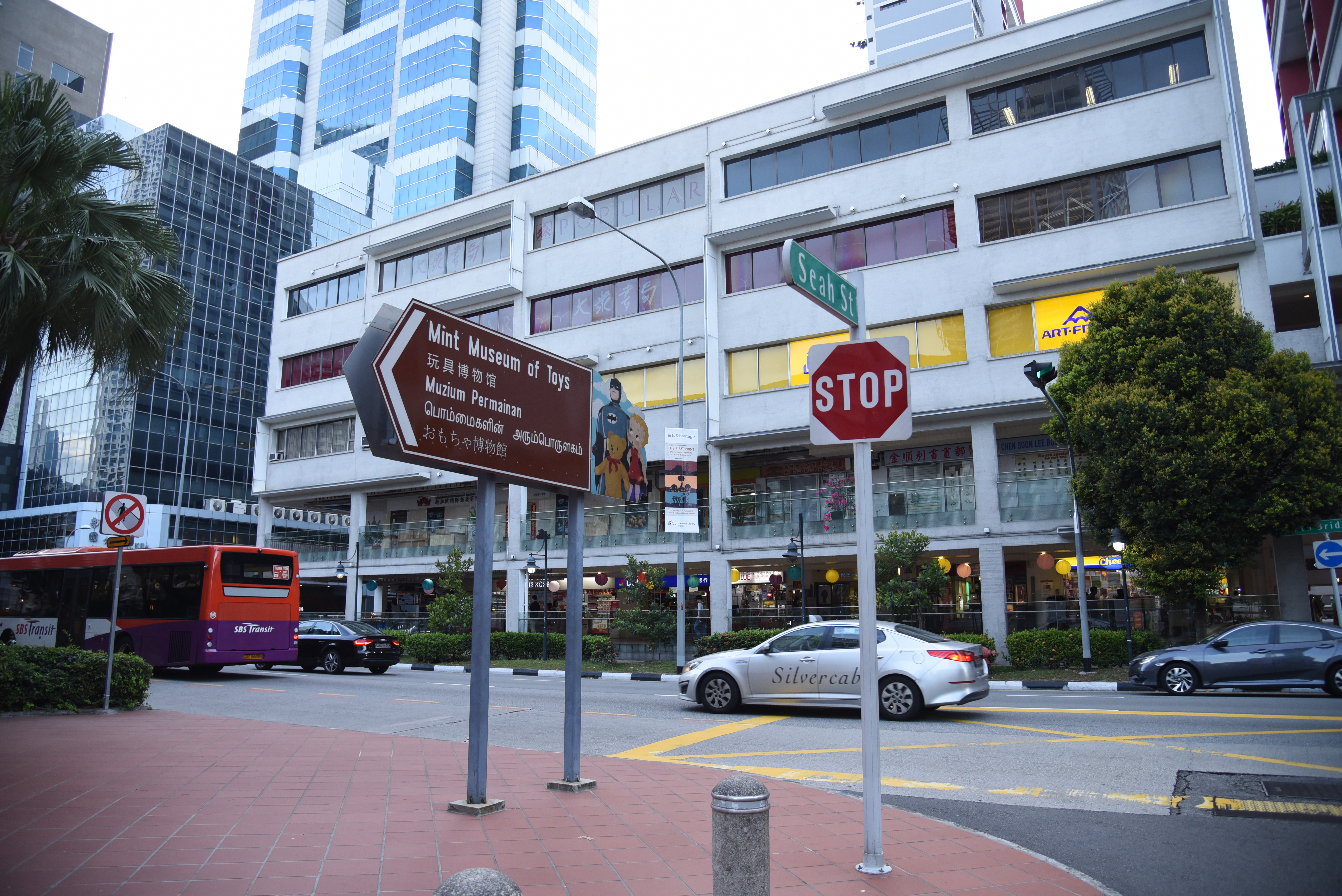
Seah Street sign and the Mint Museum of Toys sign, in Singapore.
Seah Street in Singapore. For a blog post on the Mint Museum of Toys, please visit “History and Heritage: My Visit to the MINT Museum of Toys“. Photograph by author Shawn Seah.
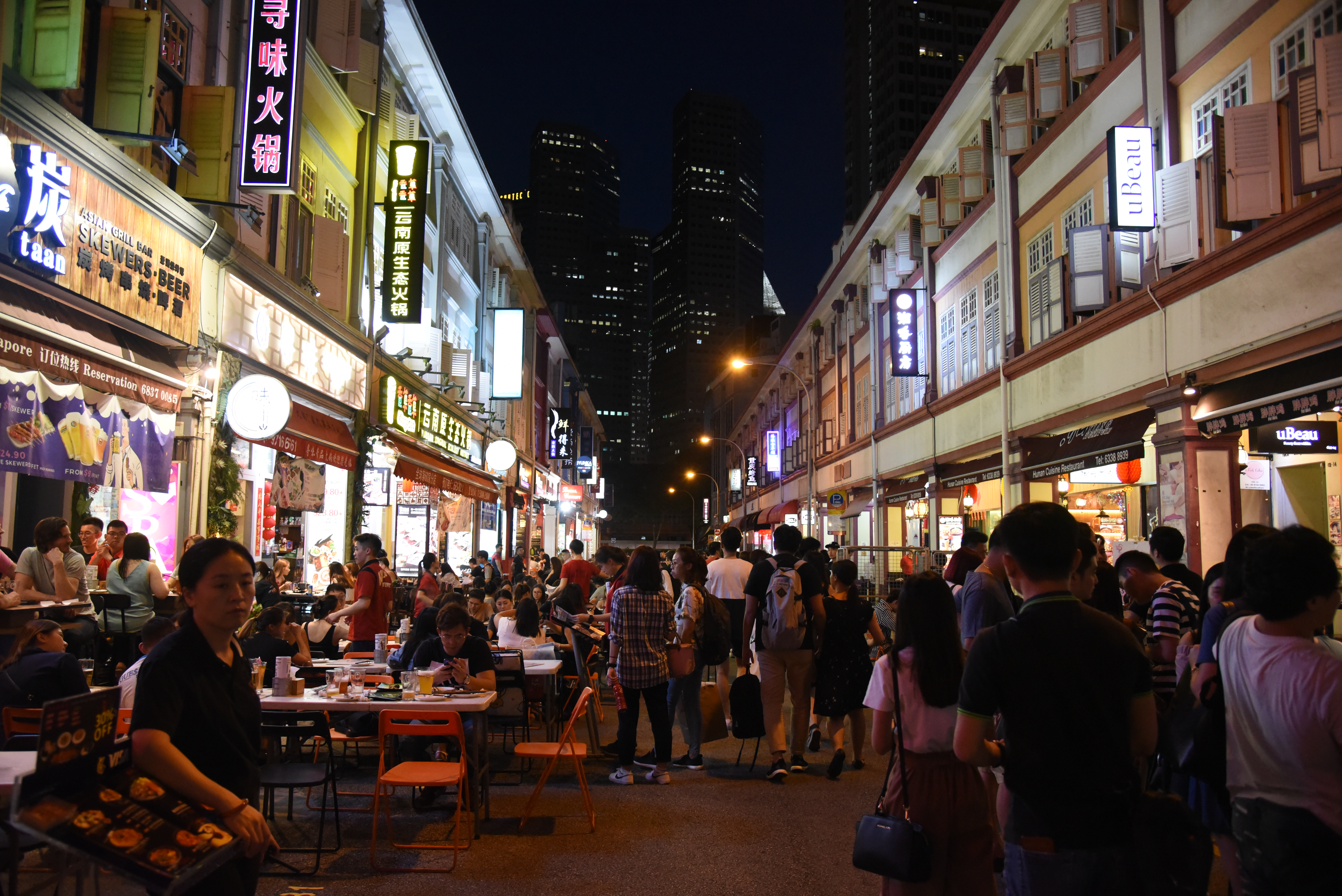
Singapore's Liang Seah Street at night, photographed by author Shawn Seah in 2019.
Liang Seah Street at night and on weekends is typically full of life. Photograph by author Shawn Seah.

They are experts in toponymics (the study of place names). Their books provided a starting point for me to explore Singapore’s history through street names. This is one reason why I’m looking forward to the panel discussion.

Also, the Singapore Writers Festival is one of Asia’s premier literary festivals, bringing together both international and Singapore authors to celebrate the art of storytelling and spark meaningful engagement with literature and the arts.

(In fact, I was a small part of the Singapore Writers Festival back in 2023. At the National Library’s Imagination Room, I narrated stories from Our Amazing Pioneers, covering Teochew leader Seah Eu Chin; Hakka heritage jeweller Ngeow Cher Seong; and charitable Arab Syed Omar Aljunied. Looking back, while the crowd was small, we had fun together!)

Author and speaker Shawn Seah as part of the 2023 Singapore Writers Festival, standing with fans and supporters.
Author Shawn Seah was part of the Singapore Writers Festival 2023. Photograph by Shawn’s team.

This year’s festival theme, “Shape of Things to Come”, is bold and forward-looking, inviting us to reflect on the past and present, and envision the future with hope, courage, and imagination.

As Singapore marks 60 years of independence, the 2025 edition of the Singapore Writers Festival features a special SG60 Homage track.

After all, 2025 is a timely opportunity to explore how Singapore’s identity and heritage continue to evolve in a changing world shaped by new trends and technological advancements, like developments in generative Artificial Intelligence and Agentic AI.

During my panel, I will share from my own writing journey, including the children’s non-fiction series Our Amazing Heroes and Our Amazing Pioneers, and my explorations into the stories of pioneers remembered through our street names.

These include our amazing pioneers remembered through streets such as Eu Chin Street, Seng Poh Road, Seng Poh Lane, Liang Seah Street, and Seah Street.

Many other pioneers I wrote about, like Syed Omar Aljunied, Edwin Tessensohn, and Naraina Pillai, also had streets named after them.

It is a privilege to be part of this conversation at Singapore Writers Festival 2025, as we look ahead with optimism while honouring the stories and histories that have shaped us.

I believe that community support for local writers is vital, and festivals like this remind us of the importance of coming together to celebrate our shared stories.

I warmly invite you to join us at the Singapore Writers Festival 2025 to listen, reflect, and be part of this conversation.

Thank you for reading.

Cheers,
Shawn


About the Author

Shawn Seah is a published author and public speaker who makes Singapore’s history come alive through engaging storytelling. He is the author of the children’s non-fiction series Our Amazing Pioneers and Our Amazing Heroes, and speaks regularly about family history, Singapore Stories, and the art of storytelling at schools, literary festivals, and museums.