Reflections: Talking about Street Names at the Singapore Writers Festival 2025

I enjoyed myself at the Singapore Writers Festival 2025!

Here are some pictures from my day at The Arts House at The Old Parliament.

The facade of The Arts House at Old Parliament.
The Arts House at the Old Parliament, during the Singapore Writers Festival 2025! Photograph by author Shawn Seah.
Author and speaker Shawn Seah at the Singapore Writers Festival 2025.
Author and speaker Shawn Seah at the Singapore Writers Festival 2025. Photograph by Shawn’s team.
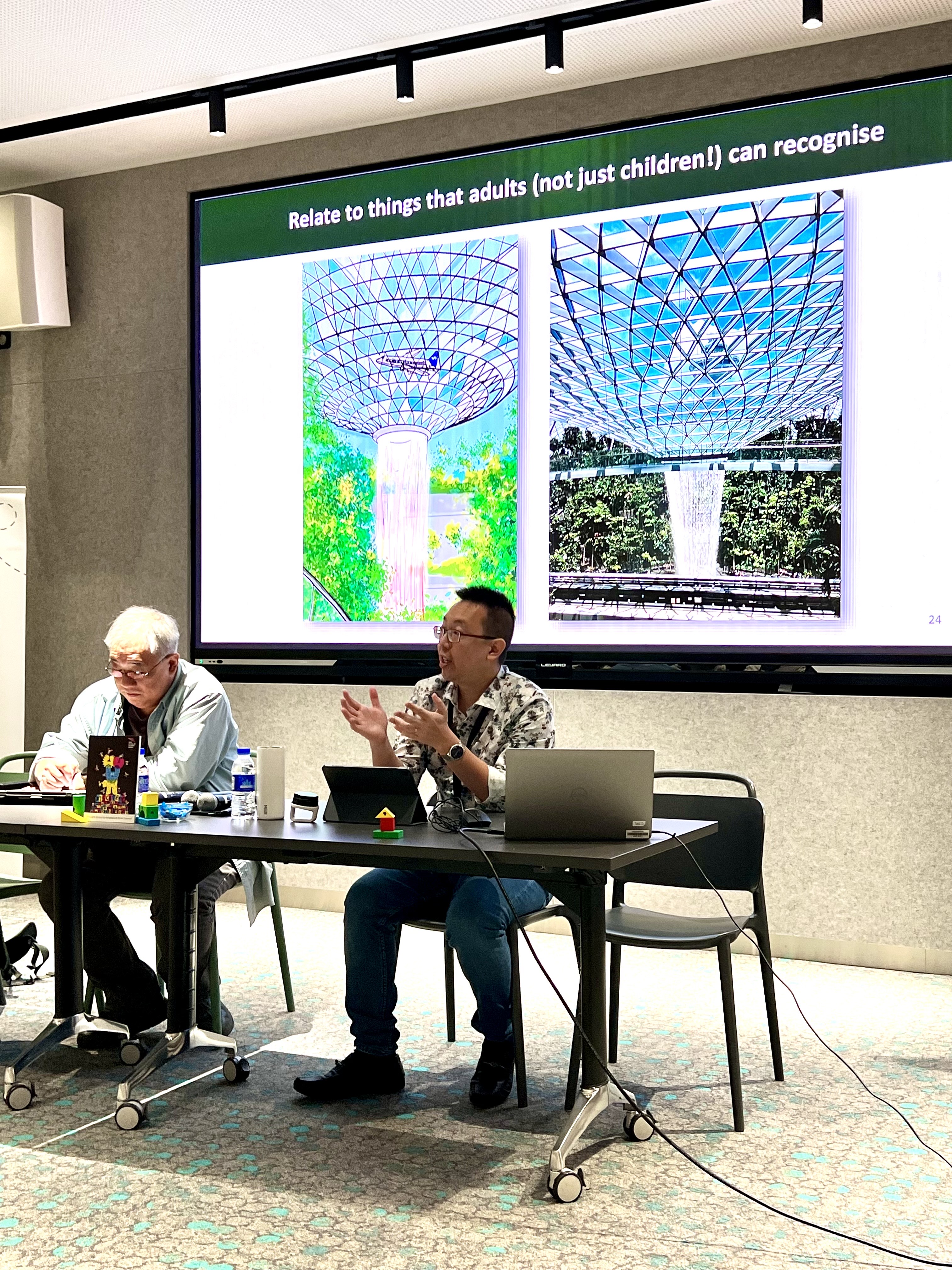
Behind the scenes at the Singapore Writers Festival 2025.
Behind the scenes: Brenda Yeoh, Shawn Seah, and Wesley Aroozoo getting ready for our Singapore Writers Festival 2025 panel. This photograph also reminds us of an age-old question: how many degree holders does it take to set up a laptop? Photograph by Shawn’s team.

As I wrote in a blog post earlier, “Street Names of Pioneers at the Singapore Writers Festival 2025”, I was part of a panel on the topic on street names.

As a history enthusiast, I am always excited to share about my family history, including my children’s non-fiction series Our Amazing Pioneers, which features many Singapore pioneers who have streets named after them, like Seah Eu Chin (Eu Chin Street), Seah Liang Seah (Liang Seah Street), and Tan Seng Poh (Seng Poh Road, Seng Poh Lane).

While admittedly it might sound somewhat self-indulgent, I felt pride and joy when I spoke to a full house of 75 attendees who packed the Screening Room at the Arts House, to listen to me talk about my family history books and my research!

On this exciting occasion, I was delighted and honoured to have distinguished Professors Victor Savage and Brenda Yeoh as my fellow panellists.

I found Victor to be a history and heritage buff, full of knowledge about Singapore’s history, which was unsurprising, but, above all, I personally found Brenda very kind, encouraging, and supportive.

(For example, during the panel discussion, Brenda helped to click through Victor’s slides, because he had so many of them, and somehow she got most of the order right! She was also so charming and friendly towards me.)

Wesley, Brenda, Shawn, and Victor at SWF 2025.
From left to right, Wesley Leon Aroozoo, Brenda Yeoh, Shawn Seah, and Victor Savage. Photograph by Shawn’s team.

Back when I was writing Seah Eu Chin: His Life and Times (first edition in 2017), I actually cited Savage and Yeoh’s books: Toponymics: A Study of Singapore Street Names and Singapore Street Names: A Study of Toponymics.

Their books on toponymics (the study of place names) provided a starting point for me to explore Singapore’s history through street names.

Other than my own panel discussion, I sat in for Shabir Sulthan’s performance lecture. I also enjoyed his session and learnt a lot, for example, of the importance of going regional or international as a content creator (he is big in India).
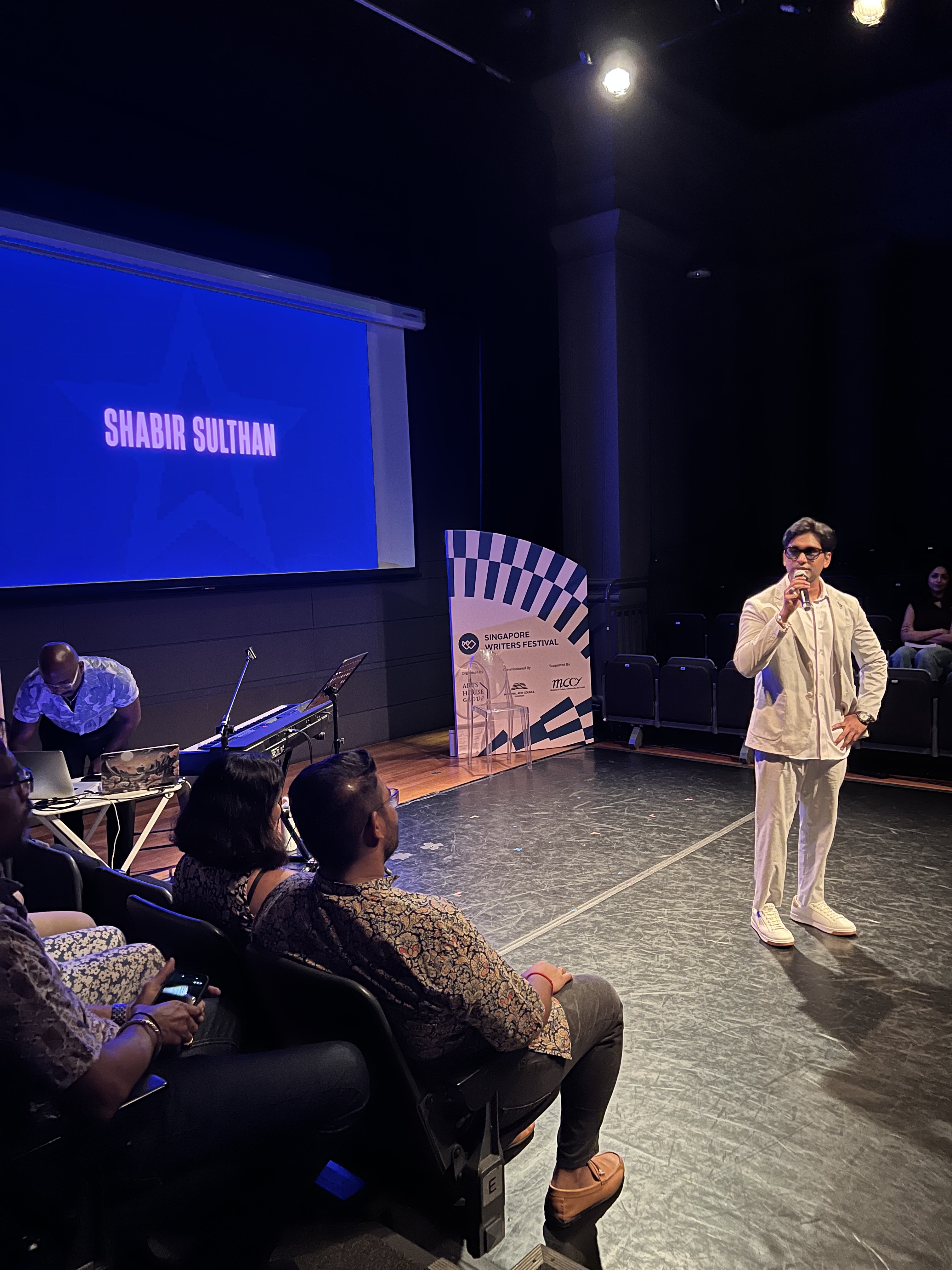
Shabir Sulthan at the Singapore Writers Festival 2025.
Shabir Sulthan performing and lecturing at the Singapore Writers Festival 2025. Photograph by author Shawn Seah.

Briefly, Shabir is a Singaporean composer and singer. Among his many musical achievements, he was one of the main singers for the 2021 National Day Parade (NDP) theme song, “The Road Ahead”. (Anyone who knows me know that I genuinely enjoy NDP songs.)

Through his stories and musical examples, like his composition of “Singai Naadu” (translated: “Singapore, my country”), he showed how melodies can be multicultural, carry our memories, and help us recognise the feelings we share as a people.

He shared that there was a sentiment in Singapore’s Indian community back in 2012: “Why was Munnaeru Vaalibaa the only Tamil NDP song?”

Shabir realised that older English-language NDP songs were of a certain style, generally upbeat and more action-oriented, aimed at building a new nation, and another common perception was that Indian songs had to come with the tabla and the sitar. However, he thought that Indian culture had so much more to offer.

He wanted to go for a more sentimental and emotional approach that went beyond traditional Indian music.

Although his song was not ready in time to be considered for the 2012 NDP, it was still played during the pre-parade segment, and also came to then-Prime Minister Mr Lee Hsien Loong’s attention that year.

Listening to Shabir’s perspectives (and his singing) not only opened my mind to different perspectives; it gave me an enjoyable experience at the Singapore Writers Festival.

Street names help us remember the amazing pioneers who built Singapore, while songs composed by Singaporeans like Shabir help us feel our connection to one another. Both are part of the larger Singapore Story and shape how we see our past and our future, “with hope, courage, and imagination”.

Thank you for reading!

Cheers,
Shawn Seah

About the Author

Shawn Seah is a published author and public speaker who makes Singapore’s history come alive through engaging storytelling. He is the author of the children’s non-fiction series Our Amazing Pioneers and Our Amazing Heroes, and speaks regularly about family history, Singapore Stories, and the art of storytelling at schools, literary festivals, and museums.
Street Names of Pioneers at the Singapore Writers Festival 2025

I am delighted to be invited to the Singapore Writers Festival 2025!

As an author and public speaker, I am always excited to talk about my writing, including my children’s non-fiction series, Our Amazing Pioneers, where my books bring Singapore’s pioneers to life for young readers.

On Saturday, 15 November 2025, from 3.30pm to 4.30pm, at The Arts House at The Old Parliament, Screening Room, I will be speaking as part of a panel on the topic: “Name Dropping: The Legacy of Singapore’s Street Names”, moderated by Wesley Leon Aroozoo.

This topic is close to my heart.

I am delighted to have distinguished professors Victor Savage and Brenda Yeoh as my fellow panellists.

In fact, back when I was researching and writing my first book, Seah Eu Chin: His Life and Times, I actually cited Savage and Yeoh’s books: Toponymics: A Study of Singapore Street Names and Singapore Street Names: A Study of Toponymics.

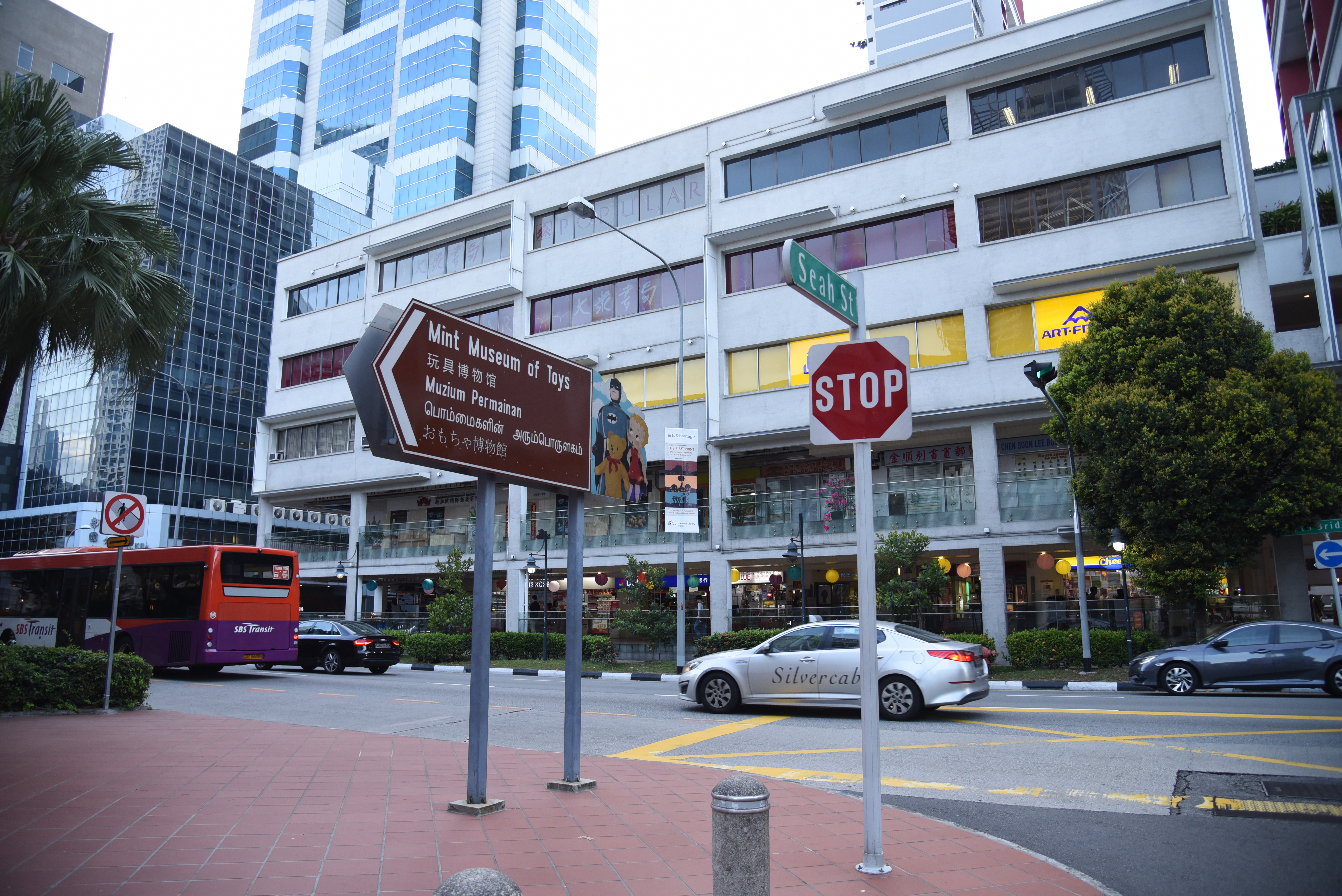
Seah Street sign and the Mint Museum of Toys sign, in Singapore.
Seah Street in Singapore. For a blog post on the Mint Museum of Toys, please visit “History and Heritage: My Visit to the MINT Museum of Toys“. Photograph by author Shawn Seah.
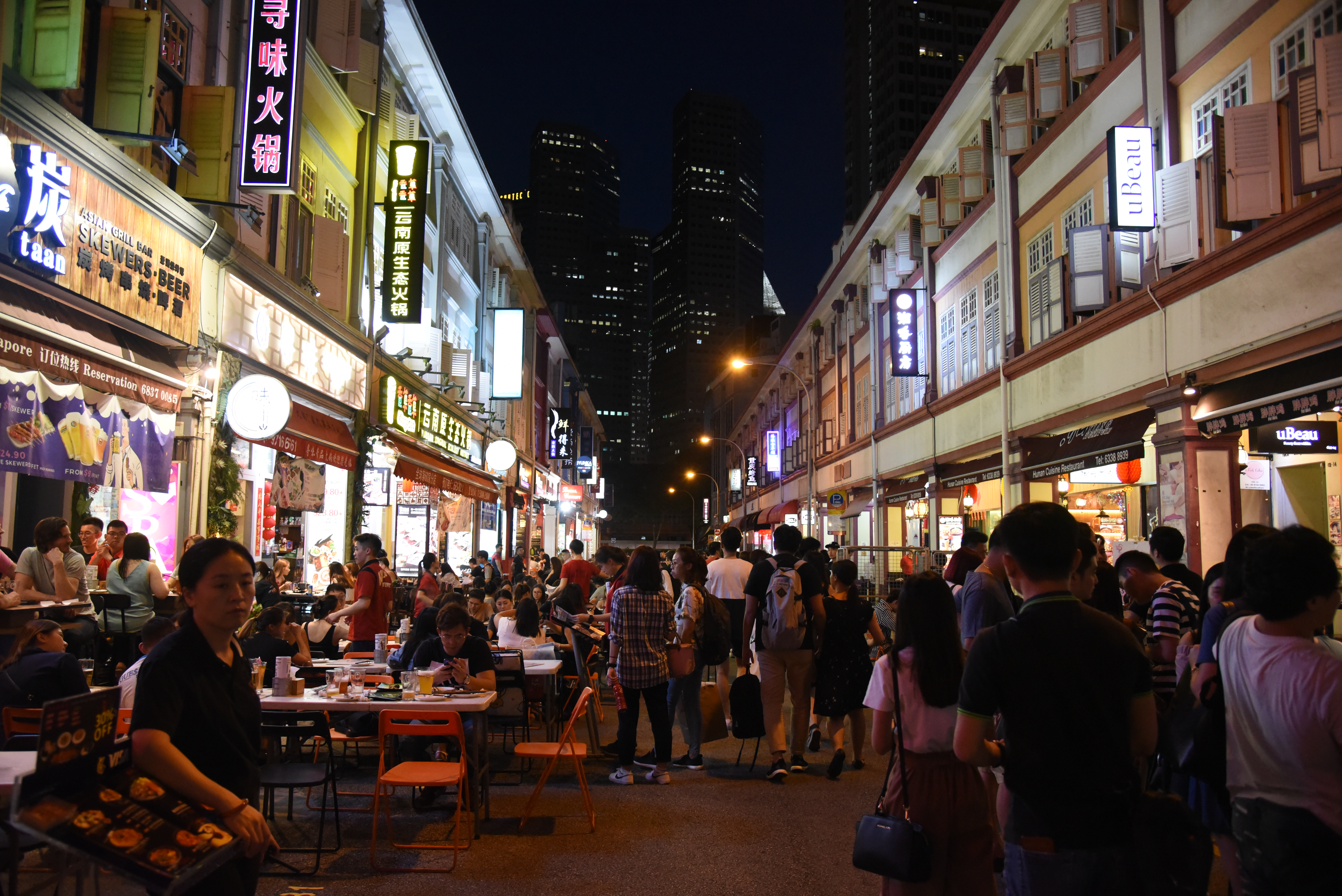
Singapore's Liang Seah Street at night, photographed by author Shawn Seah in 2019.
Liang Seah Street at night and on weekends is typically full of life. Photograph by author Shawn Seah.

They are experts in toponymics (the study of place names). Their books provided a starting point for me to explore Singapore’s history through street names. This is one reason why I’m looking forward to the panel discussion.

Also, the Singapore Writers Festival is one of Asia’s premier literary festivals, bringing together both international and Singapore authors to celebrate the art of storytelling and spark meaningful engagement with literature and the arts.

(In fact, I was a small part of the Singapore Writers Festival back in 2023. At the National Library’s Imagination Room, I narrated stories from Our Amazing Pioneers, covering Teochew leader Seah Eu Chin; Hakka heritage jeweller Ngeow Cher Seong; and charitable Arab Syed Omar Aljunied. Looking back, while the crowd was small, we had fun together!)

Author and speaker Shawn Seah as part of the 2023 Singapore Writers Festival, standing with fans and supporters.
Author Shawn Seah was part of the Singapore Writers Festival 2023. Photograph by Shawn’s team.

This year’s festival theme, “Shape of Things to Come”, is bold and forward-looking, inviting us to reflect on the past and present, and envision the future with hope, courage, and imagination.

As Singapore marks 60 years of independence, the 2025 edition of the Singapore Writers Festival features a special SG60 Homage track.

After all, 2025 is a timely opportunity to explore how Singapore’s identity and heritage continue to evolve in a changing world shaped by new trends and technological advancements, like developments in generative Artificial Intelligence and Agentic AI.

During my panel, I will share from my own writing journey, including the children’s non-fiction series Our Amazing Heroes and Our Amazing Pioneers, and my explorations into the stories of pioneers remembered through our street names.

These include our amazing pioneers remembered through streets such as Eu Chin Street, Seng Poh Road, Seng Poh Lane, Liang Seah Street, and Seah Street.

Many other pioneers I wrote about, like Syed Omar Aljunied, Edwin Tessensohn, and Naraina Pillai, also had streets named after them.

It is a privilege to be part of this conversation at Singapore Writers Festival 2025, as we look ahead with optimism while honouring the stories and histories that have shaped us.

I believe that community support for local writers is vital, and festivals like this remind us of the importance of coming together to celebrate our shared stories.

I warmly invite you to join us at the Singapore Writers Festival 2025 to listen, reflect, and be part of this conversation.

Thank you for reading.

Cheers,
Shawn


About the Author

Shawn Seah is a published author and public speaker who makes Singapore’s history come alive through engaging storytelling. He is the author of the children’s non-fiction series Our Amazing Pioneers and Our Amazing Heroes, and speaks regularly about family history, Singapore Stories, and the art of storytelling at schools, literary festivals, and museums.

Writing Crossing Borders: Reaching Beyond Singapore

Over dinner one day, a friend remarked to me:

You’re definitely known in Singapore, especially for your family history writing, but I wonder about your reach beyond Singapore. Does anyone outside of Singapore even know about your writing or who the h*** you are?” (Friend’s identity has been hidden to ‘protect the innocent’.)

Well, it was a frank and fair question.

And it was a question that kept popping up in my mind.

Author and speaker Shawn Seah speaks at the Asian Festival of Children's Content with illustrator David Liew sitting on his right.
Author and speaker Shawn Seah at the Asian Festival of Children’s Content 2025, with illustrator David Liew. Photograph by Shawn’s team.

This question reminded me of guidance I received while at the Asian Festival of Children’s Content in May 2025. It went something along these lines:

While you are recognised for writing non-fiction stories for Singaporeans, there might be value in giving some thought to writing something that lends itself more readily to regionalisation and internationalisation. That would mean translations, more products, and ultimately greater reach.

From a publishing perspective, this is actually good, sound advice.

And I have taken this guidance to heart.

However, upon reflection, actually my writing on Singapore has already reached several audiences beyond Singapore over the years. It’s true that these are niche audiences rather than broader, larger groups, but I have definitely reached some people in Malaysia, China, and the United Kingdom.

And naturally, I can and should do more to ensure that my writing reaches a broader, more international audience.

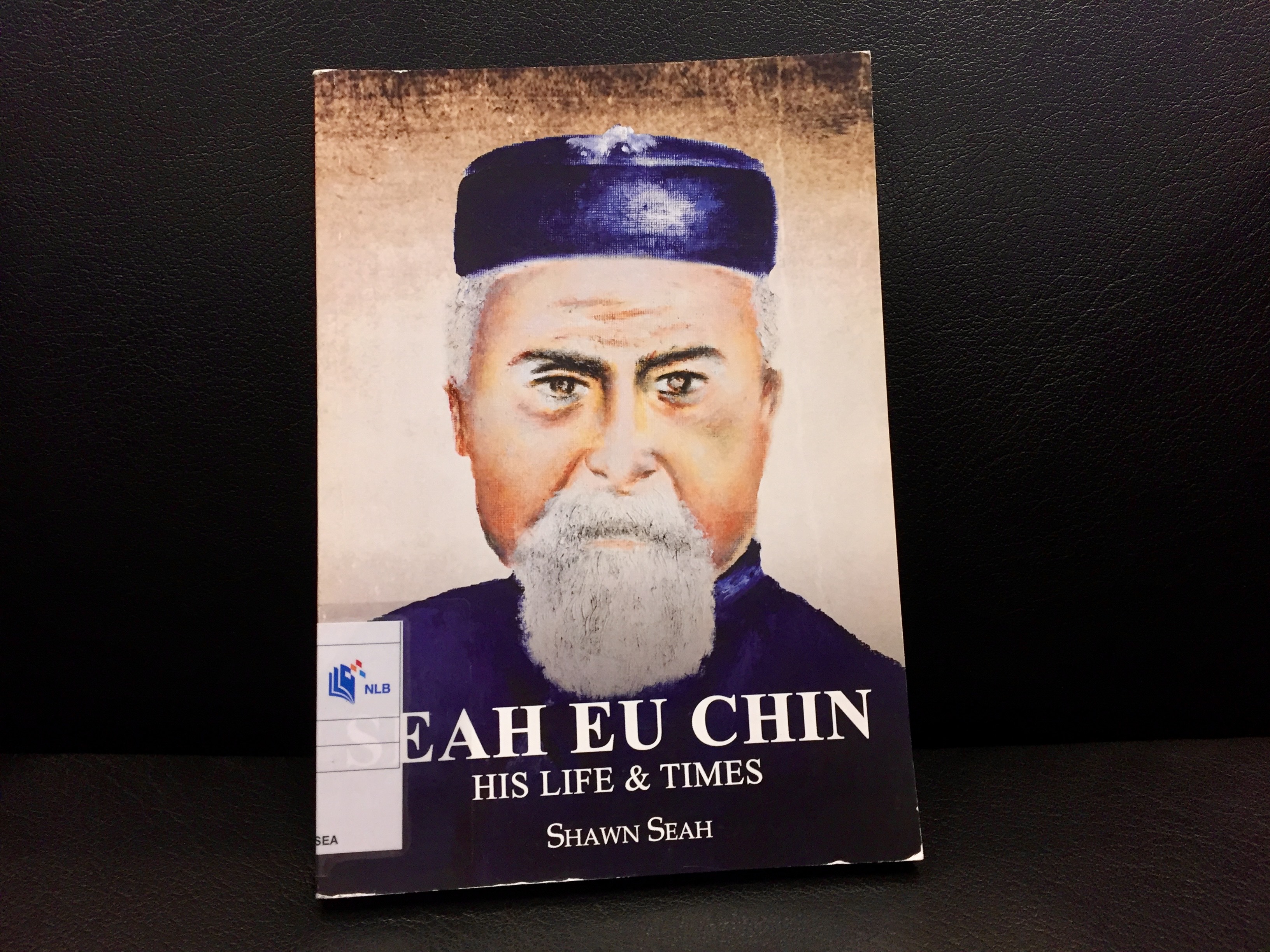
One early and unintended milestone came with my first book, Seah Eu Chin: His Life & Times (1st edition, 2017).

Cover of the first edition of Shawn Seah's book, Seah Eu Chin: His Life and Times.
A copy of the first edition of Seah Eu Chin: His Life and Times. This first edition is out of print, so this photograph was taken at a library. Photograph by author Shawn Seah.

Although it was my first book and my maiden attempt, this self-published book took on a life of its own and crossed Singapore’s border into Malaysia.

(I was writing figuratively: the books were brought across the border by a kind person called Mr Ng.)

As far as I am aware, the now limited first edition book is currently available for sale only at the Johor Bahru Chinese Heritage Museum, located at 42 Jalan Ibrahim, Johor Bahru, Malaysia.

Seah Eu Chin: His Life & Times (2nd Edition, 2019) was subsequently translated into Mandarin, to reach out to Chinese-language audiences.

Cover page of Shawn Seah's book on Seah Eu Chin in Chinese.
Cover of the Chinese translation of Seah Eu Chin: His Life & Times. World Scientific Publishing Company.

This translation has helped introduce Singapore history to some readers in China, creating opportunities for greater cross-cultural understanding and historical appreciation.

I recall one night, several years ago, a lady who shared the same surname as me came to collect copies of this Chinese translation from me, and as far as I understood her Mandarin, the books would be shared with our clanspeople in Yuepu village in China.

My writing has also been featured, referenced, and mentioned in overseas Chinese media platforms, including Sin Chew Daily (星洲网), a Malaysian Chinese-language newspaper; Sohu.com (搜狐网), a Chinese news and media portal headquartered in Beijing; and Guancha (观察者网), a Shanghai-based online news and aggregator site.

In Malaysia, content creator Denise Lee featured my work in her thoughtful article, “Preserving History with Shawn Seah”, published on 1 September 2020 in THEMISSNISE. She reflected on the importance of history and how stories of pioneers like my ancestor Seah Eu Chin continue to shape the way we understand identity and community today. I was very grateful for her generous feature.

In fact, my book on Seah Eu Chin went beyond Asia. I was delighted when UK-based historian Stan Neal cited my research in his chapter, “Mediators, migrants and memories of colonial Singapore: the life and legacy of Seah Eu Chin”. This chapter appears in Singapore – Two Hundred Years of the Lion City (Oxford: Routledge, 2020), edited by Anthony Webster and Nicholas J. White.

Being explicitly referenced and mentioned in a scholarly publication alongside respected historians has been amazing.

These experiences remind me that heritage storytelling has international reach.

One broader point I’d like to make is that Singaporean writers who write exclusively about Singapore should not feel that their work is any less important than the work of people who write for a broader, wider readership.

Jewel, Changi Airport, from a photograph taken by Shawn Seah
Travelling internationally? Think Changi Airport, Singapore! Photograph by author Shawn Seah.

Whether in the pages of a Chinese-language newspaper, a British academic text, or a heritage museum in Malaysia, Singapore’s stories can still spark interest, invite reflection, and build bridges across borders.

To fellow writers wondering whether your words will travel: keep going.

The world may be open to reading your stories and learning more.

Thank you for reading.

Cheers,
Shawn Seah