
Over dinner one day, a friend remarked to me:
“You’re definitely known in Singapore, especially for your family history writing, but I wonder about your reach beyond Singapore. Does anyone outside of Singapore even know about your writing or who the h*** you are?” (Friend’s identity has been hidden to ‘protect the innocent’.)
Well, it was a frank and fair question.
And it was a question that kept popping up in my mind.
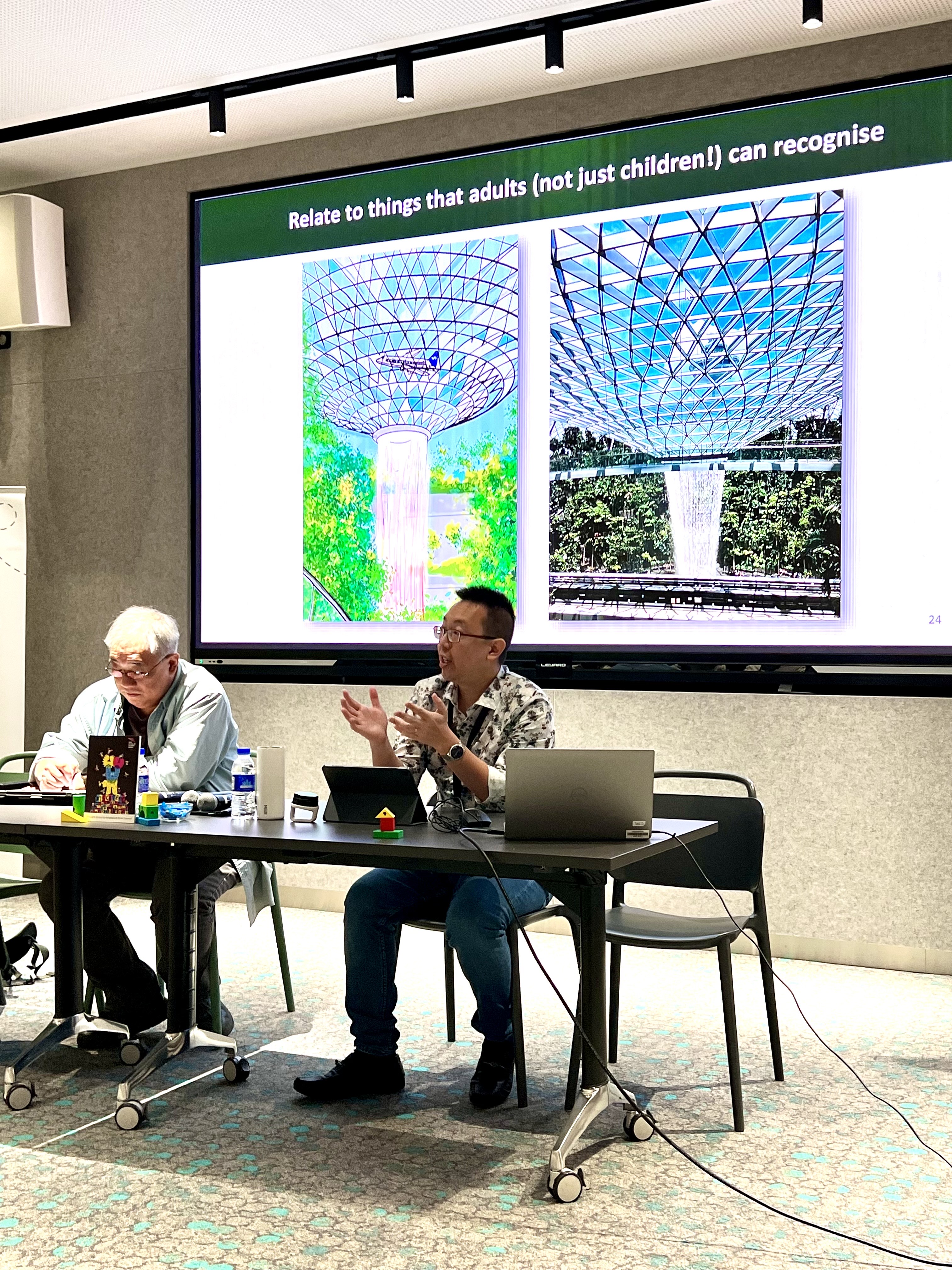
This question reminded me of guidance I received while at the Asian Festival of Children’s Content in May 2025. It went something along these lines:
“While you are recognised for writing non-fiction stories for Singaporeans, there might be value in giving some thought to writing something that lends itself more readily to regionalisation and internationalisation. That would mean translations, more products, and ultimately greater reach.”
From a publishing perspective, this is actually good, sound advice.
And I have taken this guidance to heart.
However, upon reflection, actually my writing on Singapore has already reached several audiences beyond Singapore over the years. It’s true that these are niche audiences rather than broader, larger groups, but I have definitely reached some people in Malaysia, China, and the United Kingdom.
And naturally, I can and should do more to ensure that my writing reaches a broader, more international audience.
One early and unintended milestone came with my first book, Seah Eu Chin: His Life & Times (1st edition, 2017).
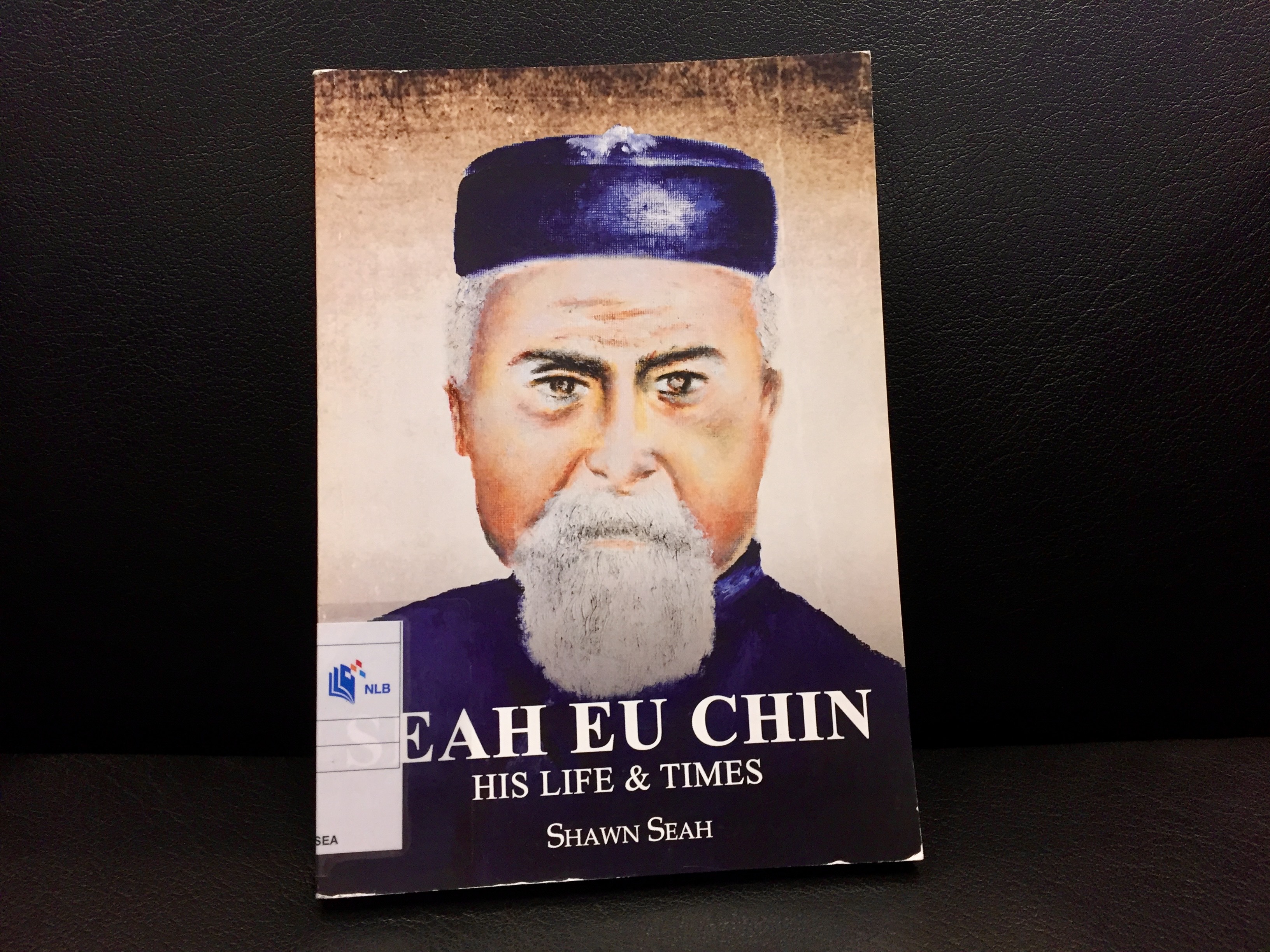
Although it was my first book and my maiden attempt, this self-published book took on a life of its own and crossed Singapore’s border into Malaysia.
(I was writing figuratively: the books were brought across the border by a kind person called Mr Ng.)
As far as I am aware, the now limited first edition book is currently available for sale only at the Johor Bahru Chinese Heritage Museum, located at 42 Jalan Ibrahim, Johor Bahru, Malaysia.
Seah Eu Chin: His Life & Times (2nd Edition, 2019) was subsequently translated into Mandarin, to reach out to Chinese-language audiences.

This translation has helped introduce Singapore history to some readers in China, creating opportunities for greater cross-cultural understanding and historical appreciation.
I recall one night, several years ago, a lady who shared the same surname as me came to collect copies of this Chinese translation from me, and as far as I understood her Mandarin, the books would be shared with our clanspeople in Yuepu village in China.
My writing has also been featured, referenced, and mentioned in overseas Chinese media platforms, including Sin Chew Daily (星洲网), a Malaysian Chinese-language newspaper; Sohu.com (搜狐网), a Chinese news and media portal headquartered in Beijing; and Guancha (观察者网), a Shanghai-based online news and aggregator site.
In Malaysia, content creator Denise Lee featured my work in her thoughtful article, “Preserving History with Shawn Seah”, published on 1 September 2020 in THEMISSNISE. She reflected on the importance of history and how stories of pioneers like my ancestor Seah Eu Chin continue to shape the way we understand identity and community today. I was very grateful for her generous feature.
In fact, my book on Seah Eu Chin went beyond Asia. I was delighted when UK-based historian Stan Neal cited my research in his chapter, “Mediators, migrants and memories of colonial Singapore: the life and legacy of Seah Eu Chin”. This chapter appears in Singapore – Two Hundred Years of the Lion City (Oxford: Routledge, 2020), edited by Anthony Webster and Nicholas J. White.
Being explicitly referenced and mentioned in a scholarly publication alongside respected historians has been amazing.
These experiences remind me that heritage storytelling has international reach.
One broader point I’d like to make is that Singaporean writers who write exclusively about Singapore should not feel that their work is any less important than the work of people who write for a broader, wider readership.

Whether in the pages of a Chinese-language newspaper, a British academic text, or a heritage museum in Malaysia, Singapore’s stories can still spark interest, invite reflection, and build bridges across borders.
To fellow writers wondering whether your words will travel: keep going.
The world may be open to reading your stories and learning more.
Thank you for reading.
Cheers,
Shawn Seah


You must be logged in to post a comment.